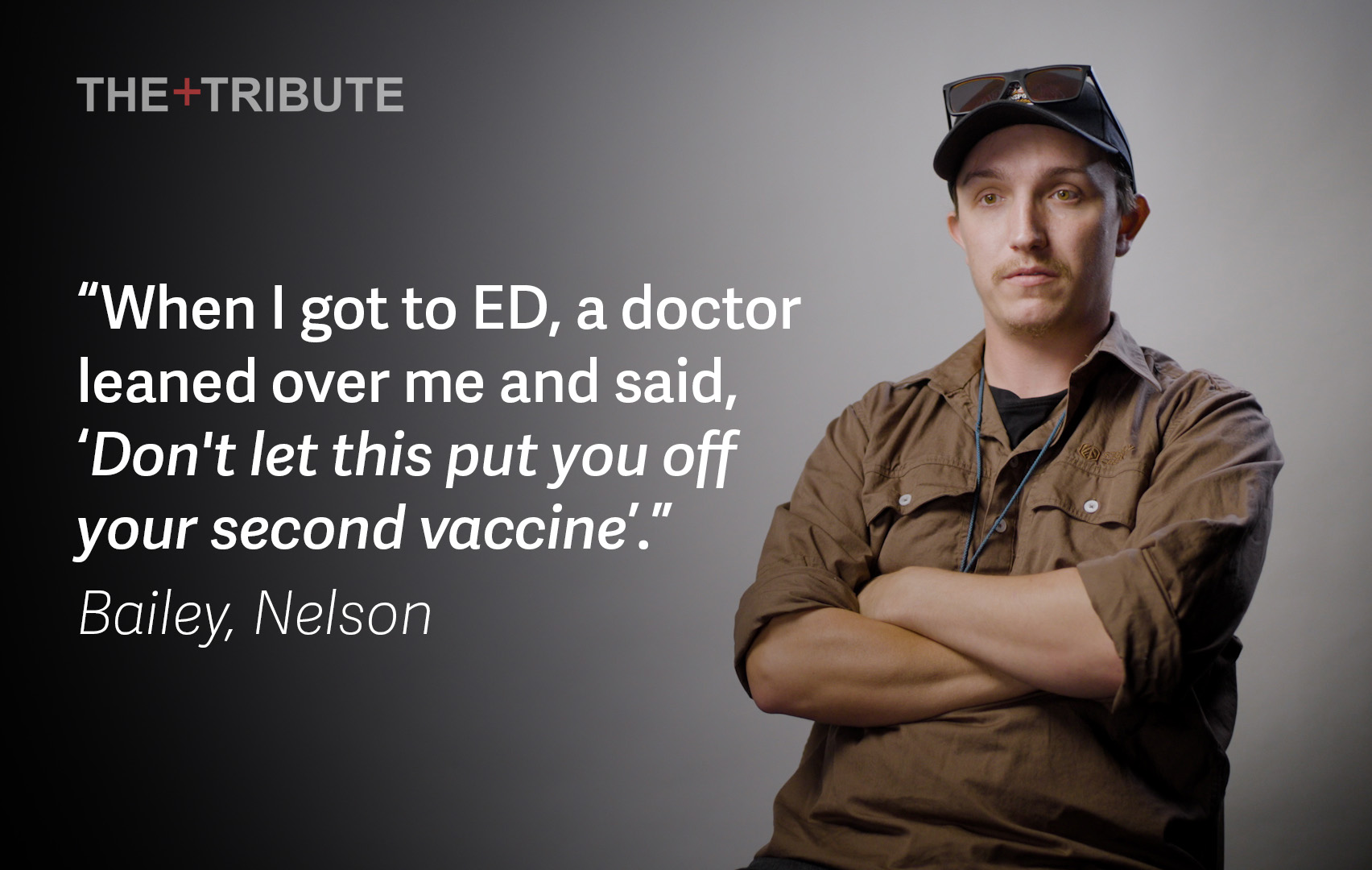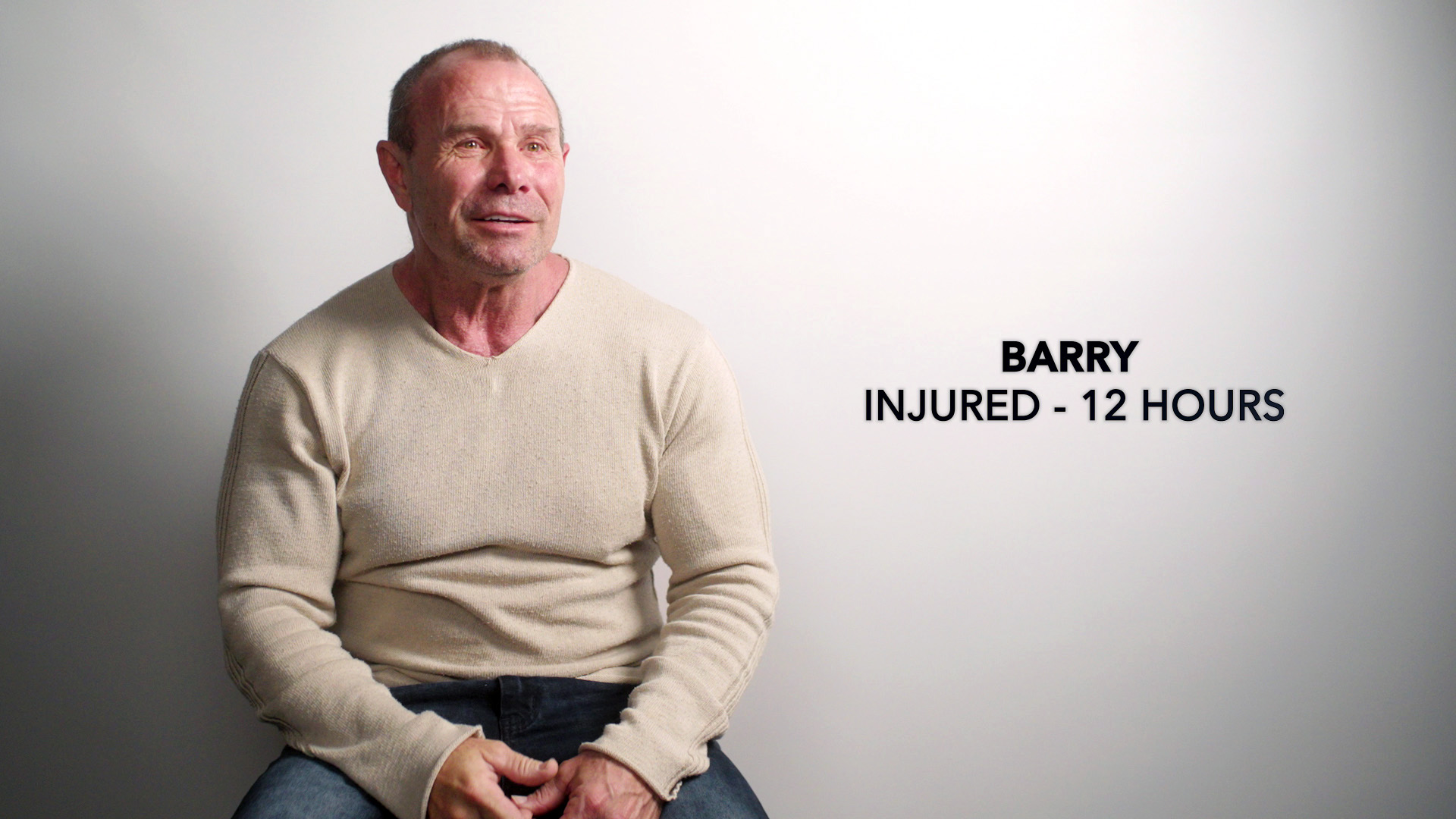
In this episode of THE+TRIBUTE, Bailey, a young truck driver from Nelson, and his mother, advocate Aly Cook, discuss Bailey’s harrowing journey after his Pfizer jab – instant heart pain, systemic gaslighting, a battle with ACC and “vanishing” medical records…
Bailey (25 in 2021), pressured by mandates and a small loan, reluctantly got the vaccine to keep his dream job and new life in beautiful Central Otago.
“I decided to go, I thought: “Oh yeah, what’s the worst that could happen?” So I went in to the local pharmacy and got my first shot.”
He was given no warnings about myocarditis or pericarditis – known risks by then for young men, post-Rory Nairn’s tragic death. Rory Nairn had already tragically died from vaccine-induced myocarditis in November 2021.
En route from Cromwell to Christchurch, the pain hit:
“I could feel my heartbeat in my throat and out my chest. The pain is a pinching feeling, a shooting pain down your shoulder. Someone sort of grabbing something inside your chest and twisting it.”
Just six hours after his injection, Bailey pulled over his truck, and was wheeled in on an ambulance gurney to Ashburton Hospital, struggling for breath. Before a single physical examination had taken place, the narrative was already being written. Standing over a man in visible agony, the doctor delivered a verdict that was as much a warning as a dismissal: “Don’t let this put you off the second shot.”
His mother, Aly, remembers the terror:
“We had a phone call to say he was in an ambulance. I had begged him not to get it. I tried to say, ‘Come home, let’s ride this out.’ But he was going to lose his job. He was going to lose his home. The pressure was so great.”
Dismissed and diagnosed with “anxiety” despite clear ECG signs of pericarditis (later described by a cardiologist as impossible to miss), Bailey endured repeated hospital visits across Ashburton, Christchurch, Queenstown,and Nelson. Records vanished: ECGs not uploaded, blood tests “lost,” a cardiac referral “dropped off” the system—a direct violation of the Health (Retention of Health Information) Regulations 1996. Aly launched investigations into four DHBs:
“One hospital loses records, that’s an accident. But it seems very odd that all of them have lost them.”
In the presence of Bailey’s fiancée, a doctor issued a chilling verbal warning: “Bailey should never receive another vaccination unless he was positioned next to a crash cart (resuscitation trolley).” Aly wrote to the Christchurch ED doctor requesting that his verbal advice be formally documented in writing, the doctor denied ever having said it. This silence left Bailey in a clinical and legal vacuum; without a written specialist report, he had no evidence to present to the Director-General of Health (Ashley Bloomfield) for a medical exemption.
Refusing to risk his life, Bailey decided not to take the 2nd shot and he was forced out of his job. Bailey and his partner uprooted back to Nelson, living in his truck during lockdowns, reliant on Nurofen for pain that woke him nightly. “I’ve woken up countless times thinking, am I just going to cark it?”
As a heavy vehicle driver, he warns of public safety risks.
“You’ve got truck drivers driving around with heart issues and they’ve just accepted it because no one believes them. They don’t want a bar of it, they just did it to keep their jobs. You know, they’re rough guys, they don’t care.”
Christmas Eve 2022 brought a breakthrough – a sympathetic ED doctor finally consulted a cardiologist, leading to Bailey’s first formal diagnosis: “vaccine-induced pericarditis.” But relief was short-lived: ACC denied his claim for vaccine treatment injury compensation. Aly and Bailey fought back, and after endless loopholes and reviews, the ICRA finally quashed ACC’s decision in December 2024, approving Bailey for COVID-19 mRNA Vaccine-Induced Pericarditis.
“It’s a very exhausting process to be dealing with while you’re essentially suffering. No one deserves it.”
Aly’s OIAs reveal the scale: ACC payouts for vaccine injuries jumped from $145k annually pre-2021 to $11.4m by 2024 (now $18.98m per latest data), with only 1 in 4 claims approved. She also discovered under-40s ED visits for chest pain spiked in 2021 – also matched in Australia, where both countries rolled out vaccines pre-COVID waves.
Yet the pain persists, Bailey still suffers three attacks of chest pain every month and remains under the ongoing care of his doctor & cardiologist who has observed that pericarditis in her vaccine-injured patients deviates from pre-Covid norms, and is unresponsive to the typical three-month treatments. For Bailey, it’s an ongoing struggle with heart pain:
“I probably would have pinned him [my 25-year-old self] against a wall and gone, ‘Don’t do it. You’re going to regret it.’”
Bailey now begins the ACC Permanent Injury Compensation (PIC) process, 4 years and 2 months after his injury. He faces a system that calculates life in percentages. Aly vows:
“I’m in this for the long haul. I’m in it for not only my son, but everybody else that was injured as well. It’s so incredibly unjust.”
THE+TRIBUTE is a web series that gives voice to the Covid jab casualties – the silenced and abandoned.
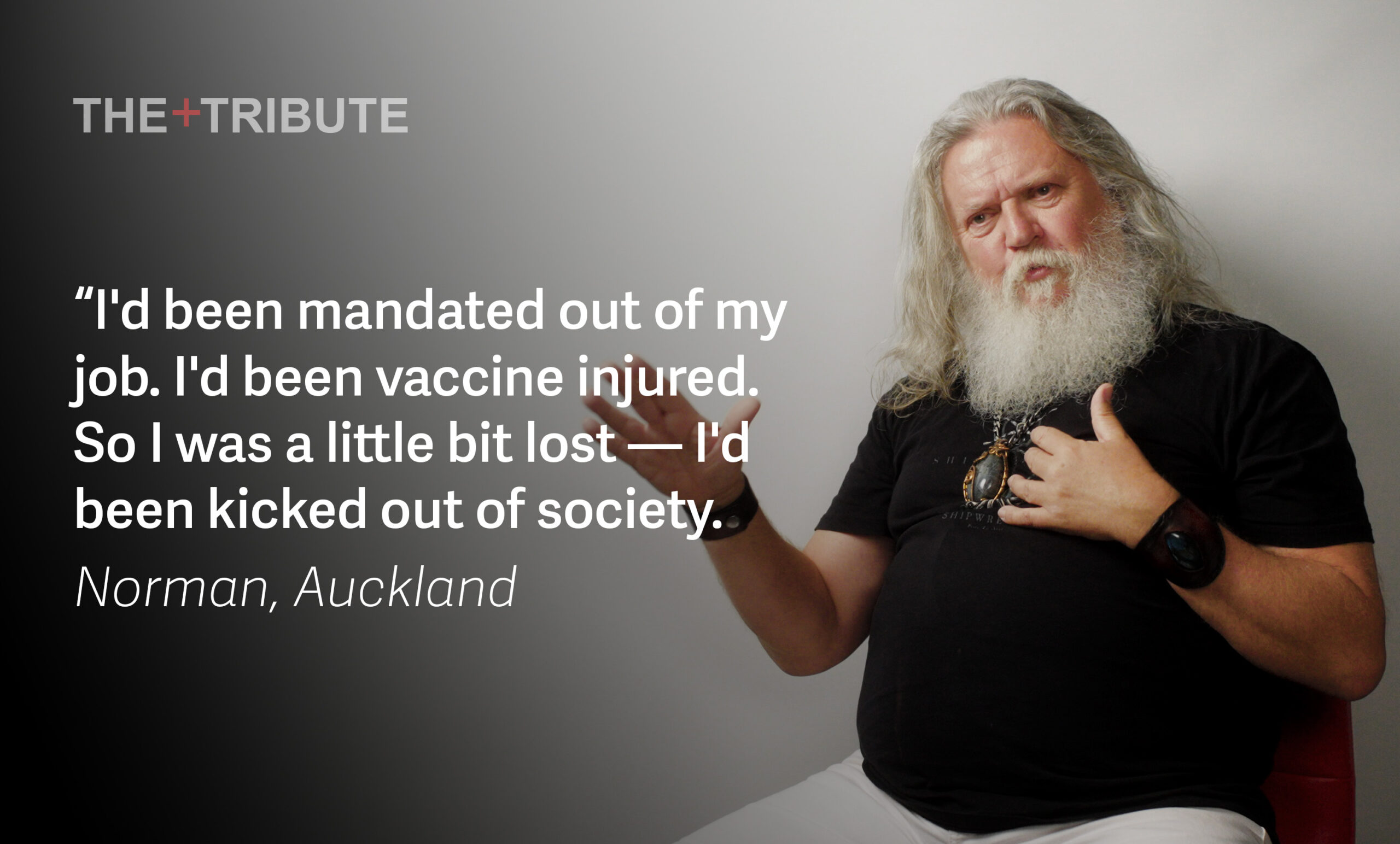
In this heartfelt episode we pay tribute to Norman – a nurse, performer, Viking axe-throwing instructor and occasional Santa Claus impersonator from Auckland – after his life-altering vaccine injury.
With 35 years in healthcare, Norman refused the experimental COVID-19 vaccine rollout based on his virology knowledge and concerns over rushed trials. But New Zealand’s 2021 mandates forced his hand: lose his job in a mental health respite unit, face exclusion from gyms, libraries, and society – or get the shot.
“I’m not anti-vax. I’ve been a nurse for years, and I’ve probably got more vaccinations than most people. But I didn’t want any of this experimental nonsense put into me.”
A key theme in Norman’s story is the lack of informed consent amid coercive pressures. He confronted his general manager at work, pointing out the New Zealand’s patient’s Code of Rights, arguing that the mandates are a violation of these as well as fundamental human rights and bodily autonomy.
“I remember reading out the ten points of the Patient’s Code of Rights, point by point. They’re your rights. It’s not a questionable contract between two people or two groups. It’s your fundamental human rights.”
The Health and Disability Commission’s poster advertising ten patient’s “Rights”
Despite his research on Pfizer’s own website highlighting contraindications like prior pericarditis or myocarditis, his attempts to raise these concerns were repeatedly dismissed.
“I spoke to my GP who knew that I have had viral pericarditis. He should be getting me an exemption.”
He was told that exemptions from Ashley Bloomfield or Chris Hipkins were unavailable. His GP encouraged him to proceed, promising to support him for any ‘aftermath.’
At the vaccination center, he again alerted the vaccinator to the contraindication, emphasizing that she should advise against it, but also received poor advice.
Norman felt his arm was “twisted behind his back.”
“I’m being kicked out of my society. I’m not going to be allowed to work. I’m not going to be allowed to go to the gym. I’m not going to be allowed to go swimming, go to the library for books.”
Reluctantly taking one Pfizer dose to audition for a Santa ad, he woke that night with excruciating chest pain – mirroring his experience with viral pericarditis in 2012. Daily recurring episodes followed for 18 months; as well as other symptoms such as breathlessness and an inability to exercise.
Scans later revealed a large pericardial cyst (5x5x2.5 cm) had formed on his right atrium. Medical consultations have been frustrating, with specialists unwilling to link it directly to the vaccine despite the obvious timing and his history.
Norman discusses the emotional toll, both positive and negative: job loss, family/friend estrangement followed by joining the Wellington protest convoy, where he found a new community and support among Māori friends.
“I was embraced by my Māori brothers and sisters. They went “welcome to our world, hello!” Now I’ve been living with them off and on for the past few years, and I have nothing but love and joy and peace and happiness. I’ve got some beautiful friends.”
He also discusses a profound shift toward living thoughtfully in the present — focusing on gratitude. He emphasises treading softly through life, and chooses to continue to hold a shield and axe for others as he bears witness to issues of human rights, oppression and government overreach.
Norman’s health is slowly improving, and he is now able to attend the gym every day. Although his heart is not better as he awaits another MRI to look at his heart tissue.
“It has been nearly a year since my last cardio appointment. Patience is a virtue, so I practice that every day.”
Watch Norman’s full 20-minute episode now on YouTube or Spotify
In this episode of THE+TRIBUTE, we meet Vicki from Great Barrier Island, whose life of travel, teaching and forest guiding was upended by severe health issues following her Pfizer vaccination in May 2021.
“Before I took the vaccine, I was actually living the life of my dreams. I was doing the work that I loved with a passion. I was really stepping into my gifts, right out of my comfort zone to do that. But I felt like I was flying.”
In her late 50s, she discovered forest therapy, a therapeutic practice born in Japan known as shinrin-yoku or forest bathing. Training in the United States as one of the first guides outside Japan and the US, she brought this gentle art back to New Zealand.
“I love to go out into nature and just be present with it and to discover the beauty and the joy in the little things.”
She watched it grow, mentoring others and leading sessions that encouraged presence with the natural world. When COVID-19 hit and vaccines rolled out, Vicki felt the pressure in her tight-knit community. The head nurse framed it as now or never, and travel, a cornerstone of her work, seemed impossible without it. Despite a history of chronic fatigue syndrome (M.E.), which made her immunologically vulnerable, public messaging insisted people like her needed the jab. Her homeopath warned against it— but Vicki felt healthy and able.
“I thought, right, okay, I’m just going to go get this done. And at that stage, I was feeling probably the most well and healthy that I had felt in years.”
She got the shot on May 28, 2021. A few days later, headaches and brain fog set in. Ten days post-vaccination, while teaching online, disaster struck.
“I looked at my page and things were not making sense. I was reading words, but there was complete brain confusion around them. It was just a very odd sensation. And I didn’t know where the heck I was. I didn’t know what I’d said. I lost all memory of the whole morning that had preceded this, and I was in a state of total confusion.”
Her US colleague suspected a stroke, took over the Zoom class, and coached her for three hours until help arrived. Vicki was helicoptered to Auckland Hospital with blood pressure at 200 over 125. Doctors suggested she had experienced a transient global amnesia episode. From there, her health deteriorated into central nervous system dysfunction: headaches, body pain, chronic fatigue and more.
The changes were profound. Vicki had to step down from online teaching due to screen triggers. She now does limited in-person mentoring, planned around low energy as her body craves rest.
“I still find I have quite a lot of resistance to living a life that’s horizontal, because that’s actually what my body wants to do all the time. I still have such a zest for life. I can’t lose that. I’ve been down the bottom of the rabbit hole with this and got very depressed and incapacitated — it was like my whole world had closed in, and I ain’t going to go there again.”
Vicki chose to reframe her ordeal not as defeat, but as an invitation for profound inner work. The enforced stillness allowed for deep meditation she had previously skimmed over in her busy life, and she also chose to foster tenderness and self-care. She is learning to listen to her body.
“I’m still learning how not to push myself through to getting tasks completed. That’s a difficult thing for me, if I start something, I want it done. And my tendency is to push through and then I just crash, I collapse. So it’s a process of learning to listen and say, ‘Okay, you need to go sit down now.’ And giving myself permission to do that.”
Nature remains a lifeline and her sanctuary.
“One of my strategies is going out into nature. Getting my feet in the ocean. Starting my day off with that is just the best thing I can possibly do. Even taking a quick dip, like a skinny dip when no one’s around, it just really revitalizes my whole body and gives me that sense of, ‘wow, life is amazing’, even if it’s only fleeting. But I know it’s there and I know it’s possible.”
She delved into neuroplasticity and psychoneuroendocrinology, retraining her brain to diminish damaged pathways and bolster those promoting hormonal balance and well-being. Spiritually, it became a quest for grace amid suffering, moving through pain without denial, and using it as a catalyst for growth. She consistently works to reframe the experience.
“I’ve always had this thing inside me that knows there is more to life than this body. There’s more to life than just the things that happen to me. I have this strong desire to, not only survive, but to thrive. And I have been in survival mode, but to thrive and, to find my joy. Because I see so much beauty around me. And I think life is a gift—it really is.”
Through it all, Vicki unearthed new gifts in adversity. She learned to receive help, balancing her empathic giving nature. Digging deep, she affirmed her soul’s evolution, while holding space for others’ as well.
“It has provided an opportunity to dig really deep to get to the essence of me, who am I? What am I here for?”
Vicki calls for accountability: vaccine exemptions for any reason, compensation for ongoing costs—she spends hundreds monthly on health, now unsustainable without income—and she wants an apology.
“I would like the government and the Ministry of Health to apologize. Just accepting some responsibility. And I think that would go a hell of a long way for many of us. Just saying sorry—we got it wrong.”
Today, Vicki continues on a slow but steady path forward. It’s a gradual process to see lasting gains in her physical health, but she is experiencing meaningful improvements in her mental well-being. She focuses increasingly on brain retraining, neuroplasticity, and mind-body approaches, supported by helpful online groups.
“There is really good science behind this about how and why this works for many of our chronic wacky issues that the average Medics have no answers for.”
She understands her symptoms as signals from a dysregulated nervous system—triggered by the vaccine and stuck in chronic fight-or-flight—rather than enemies to fight. Acceptance, deep self-listening, compassion, and allowing joy guide her daily life now. At 67, old habits shift slowly, but she takes gentle, tentative steps on this healing journey.
Vicki reflects on sharing her story:
“I want to thank you again for your willingness to share my story through video – it was a pivotal experience for me to speak my truth that day, to be truly listened to and to begin to take charge of my ongoing recovery journey.”
The team at The Tribute wishes Vicki strength, peace, and continued progress in reclaiming her life.
This episode features Adyn, just 17 in 2021, who went from a vibrant, active teen to facing terrifying symptoms, skyrocketing platelet counts, a diagnosis of leukemia, as well as months of fear and seclusion after a single Pfizer dose.
His story exposes how the fear-inducing propaganda of the Covid-19 response left a young teenager feeling in terror of catching Covid, along with fears around his newly diagnosed Essential Thrombocytemia with its potential blood clots and uncontrolled bleeding.
Adyn was a young, healthy active student at Boys High in Christchurch, who prioritized friends, football and fitness over everything.
“I was quite healthy. I always picked spending time with friends and family over anything else. I just wanted to be out and about.”
He received early access to the vaccine as his stepdad was high-risk. The process felt surreal—like a military operation with MPs present and a strange sense of ceremony.
“It was like a military base. I felt famous almost. I felt like I was graduating high school.”
What began as a routine jab for Adyn in early 2021 quickly spiraled into a health crisis that isolated him from friends, family and normal teenage life. Symptoms hit fast. Within 40 hours: blurry vision, violently shaking hands turning purple, brain fog so severe he couldn’t focus or even recall his classroom. His skin flared—eczema returning worse than ever, extremities feeling icy while his core burned.
“My hands were shaking a lot. I basically just kept shaking, like very violently. I thought I was going to rip the page out of the book. Then my hands went purple.”
A quick visit to the doctor, 45 hours after his vaccination, spotted unequal pupils, and a clot was suspected. Blood tests 13 days post-vaccination revealed platelets at 967,000—double the healthy max of 450,000. Counts kept climbing past 1,000,000.
“Normally someone would have about 150 to 300 of these, and the maximum is 450, and mine was far above that.”
Platelets, produced in bone marrow alongside red and white cells, clump to seal damaged vessels, stopping bleeding and aiding healing. But extremes bring opposite dangers: Adyn was given terrifying warnings that levels near 1,500,000 risked catastrophic bleeding.
Diagnosed initially with leukemia by a hematologist, he was devastated. “I thought I had five years to live,” he recalls. Further tests clarified it as essential thrombocythemia (ET), a blood disorder where bone marrow overproduces platelets. Though rare in youth, the timing—the devastating symptoms starting immediately after vaccination—eventually convincing him, his family and GP of a link.
“It happened directly afterwards.”
Cognitive issues also continued to worsen: slurred speech like a stroke, drooling and anxiety. Deemed “high-risk for COVID” because of his vaccine-induced condition, Adyn isolated himself, building metaphorical “walls” and a “ship” to cast himself away from friends and family. He lived in fear, confining himself to his room for six months post-lockdown.
“I told all my friends that I had to be away from them. I couldn’t go near them. My family as well. I just thought if I went outside, I’d catch Covid. I thought it was kind of, like, looming through the air. It was quite scary because I thought with my condition, if I was to get Covid that would be the end of it.”
Treatment was grueling. Chemo pills caused muscle loss and weight drop to 66kg, making him fear that would kill him faster than ET. Switching to expensive interferon (Pegasys) injections brought platelet counts down to 500-600, and boosted his energy and immunity. He’s now in remission, monitored annually. Adyn explains that he’s likely caught COVID five or six times but recovered easily, finally realising his fears were amplified by over “dramatised” messaging.
Once I realised that a lot of my friends were safe, even though they were out and about. And that the people who caught it got over it pretty fast. That helped ease my nerves a bit.
A 2022 systematic review of studies of over 125,000 children and adolescents reported high prevalence of COVID-19-related fear, as well as mental health deterioration, such as depressive and anxious symptoms due to COVID‐19 pandemic control measures. Those with chronic physical conditions were more likely to experience negative mental health outcomes.
Adyn explains how applying for ACC (Accident Compensation Corporation) was a battle as his blood specialists denied vaccine links. However, a supportive GP advocated for him, highlighting the 13-day platelet spike, instant neurological conditions and thrombocytosis, leading to an ACC medical claim acceptance. They reimbursed his costs, including interferon, but denied a lump sum, as his hematologist wouldn’t confirm causation.
“It didn’t feel like they were human, it kind of felt like they were just talking off of what they’ve been told to say. And they weren’t open to any different opinions at all.”
According to a proactive release from ACC of Covid-19 vaccine related treatment injury claims, total payments on 1,779 accepted claims currrently amount to $16,877,835 —including 6 claims which relate to a fatal injury.
Adyn’s schooling suffered; after difficulties studying from home, finally entering class proved challenging. He dropped out in Year 13 to pivot to training for fitness coaching.
Today, in his early 20’s, Adyn’s now a personal trainer, embracing life even though he explains his ET carries a 1% risk of mutating to aggressive leukemia.
Support from family and his ex-partner was crucial:
“It wasn’t really exactly the things they said to me. It wasn’t me hearing a specific thing, but it was just knowing that those people are always looking out for you. And there’s always someone who cares about you.”
This experience flipped his worldview. From feeling invincible to experiencing rock bottom, he now appreciates health and relationships. Declining further vaccines, he urges self-care without taking well-being for granted. For those in similar “ships,” his message: Keep your head up—land awaits.
“Just enjoy life as much as you can..”
Watch Adyn’s full 20-minute episode now on YouTube or Spotify
Our third episode features the story of Val, a young Auckland mother who developed myocarditis and other debilitating symptoms shortly after receiving her first Pfizer COVID-19 vaccine dose in late 2021.
Prior to vaccination, Val led an active, sporty lifestyle. She studied sport, played regularly, frequented the gym, and enjoyed an energetic life with her family and two-year-old daughter. As someone working in education, she faced workplace mandates requiring vaccination to maintain employment.
“I waited as long as I could. And it got to December, and I just had no choice. I felt like I had to, if I wanted to keep an income, pay a mortgage, go to places with my child— to have a normal life.”
Despite strong personal reluctance, she describes feeling influenced by social pressure, and the then-common labeling of non-vaccinated individuals as “selfish” and “crazy”. She also received assurances from medical professionals, including her GP, that adverse reactions were rare.
“Before I got vaccinated, I called my GP and asked her what happens if I have a reaction. And she said, ‘We know what to do with it, so you’ll be fine’. So that was also a reason I went and got it, because she kind of gave me that reassurance that if I don’t react well, I’ll get care.”
Sixteen hours after the injection, while doing a routine weekly shop in the supermarket bread aisle, Val experienced sudden, intense tachycardia—her heart racing uncontrollably in a way she had never felt despite her fitness level.
“My heart just started to go boom, boom, boom, boom, boom, like, so fast.”
She sought urgent care, first at Shorecare Urgent Care, a 24-hour urgent care clinic on the North Shore, where staff recognized the severity of her symptoms via ECG and directed her to hospital emergency.
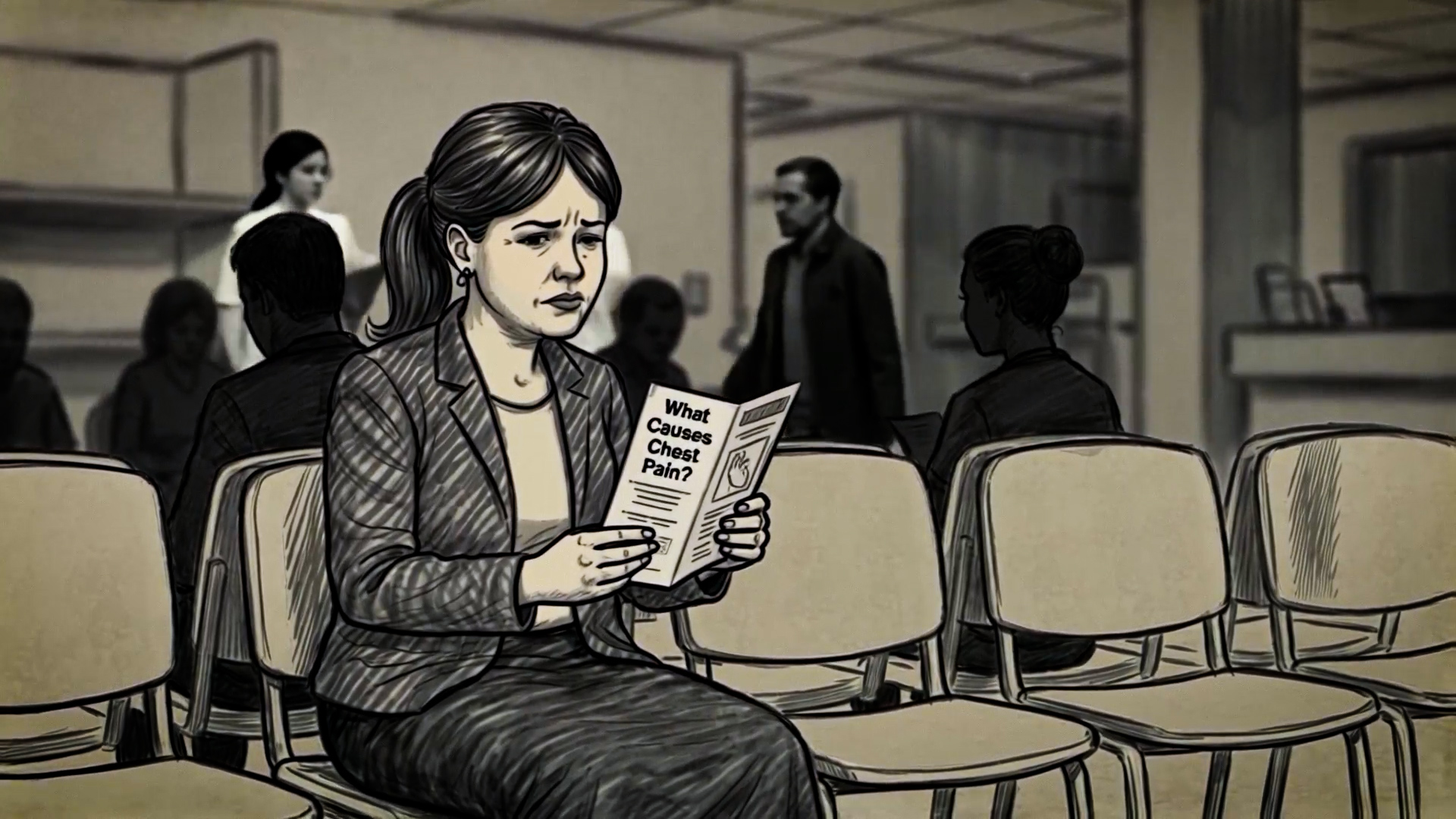
However, once Val got to the hospital, staff dismissed her symptoms, explaining it’s going to “take 19 hours” to see her, and advised her to go home.
“They said, ‘I need you to sign this form to self discharge and see how you feel in the morning—you’re probably just having a bit of a panic attack.’”
She left feeling abandoned, terrified of going to sleep and not waking up.
In the following days and weeks, Val’s symptoms escalated: lumps across her arms and chest, chronic fatigue, blurry vision, severe brain fog, confusion, and limb numbness. Chest pains persisted intensely, described as cramp-like tightening in the chest. Multiple emergency visits yielded similar dismissals—”normal reaction,” “give it a few days.” An initial cardiologist consultation also downplayed her symptoms; one cardiologist discharged her as “fine” and encouraged her to “go for a run”—which led to a rapid deterioration.
With no formal diagnosis, Val relied on her mother’s extensive personal research, community support from the Facebook group “Kiwis with Myocarditis and Pericarditis” (which grew to 10,000 members before removal by the platform for ‘misinformation’), and guidance from New Zealand Doctors Speaking Out with Science (NZDSOS).
She pursued care from one of the two cardiologists known in the vaccine-injured community for accepting such cases.
“There were two main cardiologists that would take us seriously, and that was when I started to get some care. But this was probably eight months down the track now.”
An initial MRI was inconclusive, partly due to her anxiety over the contrast dye injection. A follow-up MRI a year later revealed scarring consistent with prior myocarditis, though they did not document this in her health record.
“It was reassuring to know, okay, I’m not crazy. I did have myocarditis.”
Her experience is an expected reaction from the Pfizer jab, reflected in a nationwide 2023 New Zealand study—the largest vaccine safety assessment ever conducted in the country. Researchers from Health New Zealand examined over 4 million vaccinated individuals aged 5 and older (essentially almost everyone who received a COVID-19 vaccine) and found a clear increased risk of myocarditis and pericarditis (inflammation of the heart muscle or its surrounding sac) linked to the Pfizer vaccine.
They identified the risk of vaccine induced myocarditis or pericarditis was especially high in younger people: for kids and teens aged 5–19, the second dose raised the chance of this heart inflammation by about 25 times compared to normal background rates, leading to roughly 5 extra cases for every 100,000 young people vaccinated with a second shot. In the 20–39 age group, the risk was about 3.5 times higher, after the first dose and 6.6 times higher after the second.*
Val pursued extensive self-managed recovery: rest (avoiding exercise as advised by online sources), supplements, saunas, hyperbaric oxygen therapy and other natural approaches. She spent significant personal funds alongside support from her health insurance that covered vaccine-related claims without question.
Her ordeal extended to social and professional exclusion under the government’s Protection Framework’s vaccine pass rules. She nearly lost her seven-year job—mandates ended just two days before her deadline to be fired—but she still faced barriers accessing everyday services.
“I missed my friend’s wedding, I wasn’t allowed inside a medical centre—I’m just standing outside like an idiot because I didn’t have a pass. I think that was really challenging because—socially, you were this stranded loner; physically, your body is ruined; and mentally, you’re just drained.”
Another smaller New Zealand survey in 2024, of individuals diagnosed with myocarditis and/or pericarditis at least 90 days post-Comirnaty vaccination found that over half of participants reported ongoing impacts on their health, mental health, physical functioning and daily activities.
Family and close friends provided crucial support, particularly her mother’s research which proved lifesaving in countering initial medical dismissals, specifically the advice to not exercise.
“I don’t think I’d be here if it wasn’t for my Mum. She educated me on all of it. I would have just kept running. She taught me a lot, to question more than I ever would have.”
Three years on, Val reports gradual improvement. She recently completed her first run in years, played touch rugby and plans to join a netball team. Occasional chest pains remain but they are now less severe and frequent. As a now-solo parent, fear of recurrence and concern for her daughter’s future remain significant.
“The hardest thing of this whole journey is the fear. Will I wake up? Will this happen again? And what is actually in my body? But I think if I didn’t have that little human that looks up to me, I would probably have given up.”
She expresses ongoing anger at the coercive environment and what she views as widespread naivety during the rollout, while noting many others share similar regrets over feeling forced to vaccinate.
“I’ve come to peace with my choice to get vaccinated. I just need to move forward or I’m just going to stew forever about my decision.”
She is now focusing on forward momentum rather than perpetual resentment, while being determined to keep telling her story.
“Every interaction I’ve ever had with a human, I tell them my story because I think if I don’t tell them my story, how are they going to know this happened? It’s my job to educate.”
She credits community groups and advocates for her survival and recovery support. Recently, through persistent efforts to recover, she now manages to complete half-marathons.
THE+TRIBUTE continues to platform personal accounts from New Zealanders affected by COVID-19 vaccine injuries, highlighting experiences of harm, dismissal by parts of the health system and paths to recovery and advocacy.
* Muireann Walton, Vadim Pletzer, Thomas Teunissen, Thomas Lumley, Timothy Hanlon, “Adverse Events Following the BNT162b2 mRNA COVID‐19 Vaccine (Pfizer‐BioNTech) in Aotearoa New Zealand”, Drug Safety (2023) 46:867–879