Category: Covid-19 Vaccine Injured New Zealanders

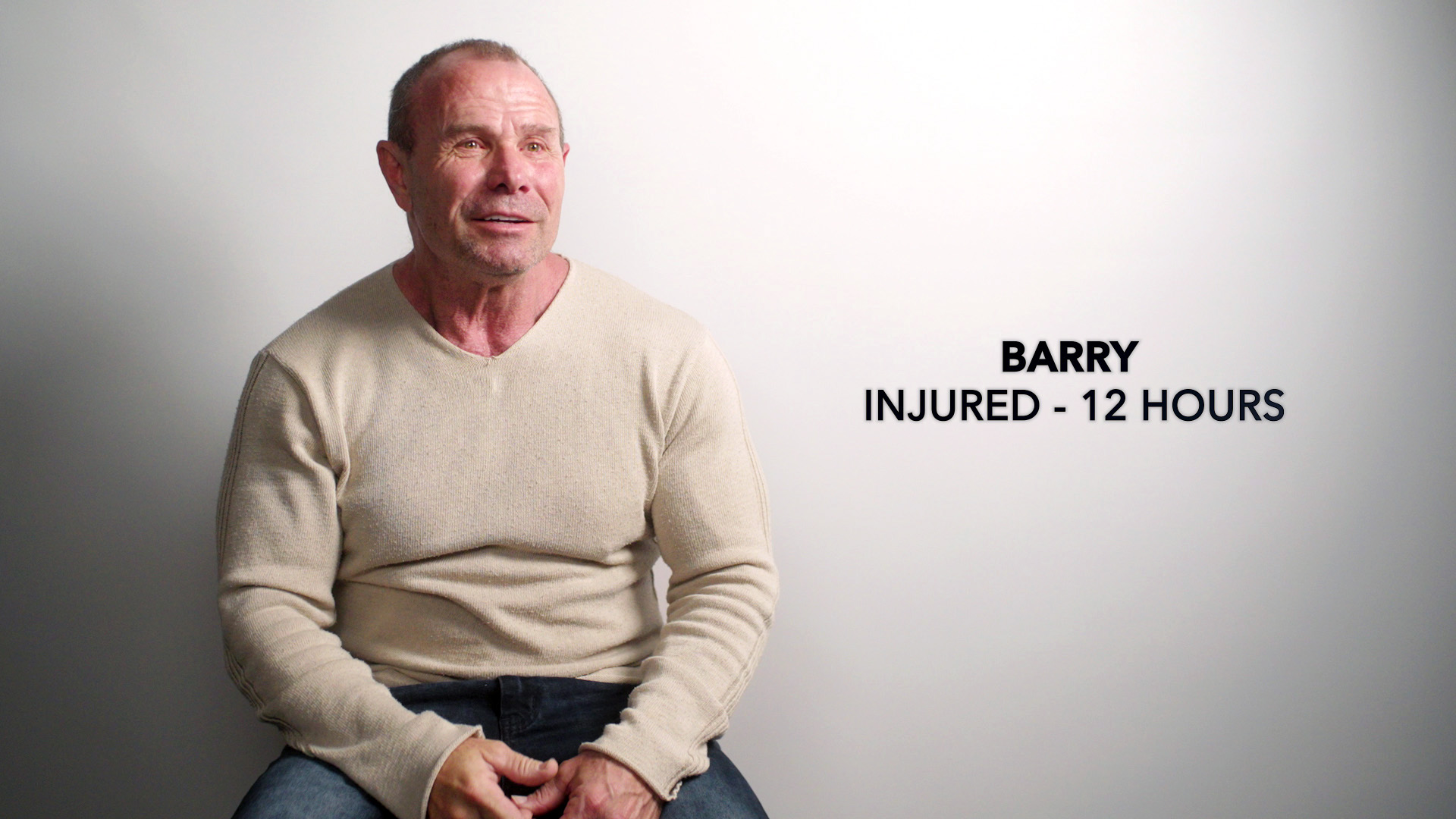
  • 10. Barry’s Story – From Spartacus to Surviving Vaccine Induced Cardiomyopathy

    10. Barry’s Story – From Spartacus to Surviving Vaccine Induced Cardiomyopathy

    What began as another career highlight—landing a dream gig overseas—took a devastating turn after he was forced to receive the COVID-19 vaccine in 2021.

    Barry, born in the UK, growing up in Australian, and now living in New Zealand was a dedicated six-day-a-week gym trainer. He openly describes the coercion he faced: international contracts required vaccination to travel, and his gym job mandated vaccination.

    I felt absolutely coerced. Chippy (Chris Hipkins) says, “we had a choice.” We had no choice! Not eating is not a choice. Not having a roof over your head is not a choice.

    Barry Duffield before his second jab.

    He received his second shot on September 16, 2021. The next day, his life changed. The fit, active man suddenly struggled to walk.

    I’m a gym bunny, I’m a six day a week trainer. And I would lunge up and down my driveway, and it’s on an intense angle. So it was a task. After the 17th of September, I couldn’t walk up that driveway. It was hard for me to get out of a chair to help carry the shopping.

    Symptoms hit hard and immediate: heart palpitations, breathlessness, skin crawling, brain fog, chest inflammation that felt “like a balloon going off underneath my diaphragm” and extreme fatigue. When he finally saw his doctor and linked the timing to his vaccination event, the doctor’s response was blunt: “I’m pro-vaccine” — end of discussion.

    An ECG showed thickening of the left ventricle, suggestive of cardiomyopathy. Cardiomyopathy is disease or injury to the cardiac muscle — a serious and non-reversible condition that causes shortness of breath, decreased exercise tolerance & may lead to cardiac failure, arrhythmias and death.

    His doctor trivialised the life-limiting diagnosis:

    The doctor said, “so that puts to rest your conspiracy theories, Barry!” And he had a bit of a chuckle about that.

    Hospitalisation followed, with a full battery of heart tests confirming the diagnosis.

    Yet attempts to discuss vaccine timing or earlier myocarditis were repeatedly shut down. One specialist attributed it to “your past life catching up with you.” Duffield pushed back:

    So we all live a life. And my life has been a bit raucous at times. But everything I’ve done in the last 60 years has suddenly caught up with me in 12 hours after the vaccine? I mean, how do you explain that? So I got myself a new doctor.

    A new doctor ordered a spike protein antibody test (costing around $120, which Duffield notes likely deters many). His levels came back at 3,102.8 per milliliter — far exceeding the 179–300 range expected from natural COVID infection. High IgG4 antibodies were also detected, potentially leaving the immune system less responsive to infections. Recurrent illnesses followed.

    So your system is going, “okay, you’ve got all this antibody in there, so I don’t need to protect you from infections.” And then I got one, after the other, after the other of infections. Like I went to the gym one day and I was in convulsions in the car.

    Neurological issues emerged too: tremors starting in his little finger and thumb escalated up his arm (the injection site). A neurologist thought it was Parkinson’s and prescribed Sinemet — Levodopa, most often combined with carbidopa as Sinemet, is considered an effective treatment for Parkinson’s disease movement symptoms. It works by converting to dopamine in the brain.

    Barry experienced severe reactions after eight weeks on the drug: hallucinations, intense anxiety (new to him), and a suicide attempt. He woke in ICU with no memory of the act, later learning from his wife’s account of finding him barely breathing in a cold shower, where he reportedly screamed, “Just let me die.”

    The mental health unit had to show up to clear me before I could leave. And the guy said, “so what were the thoughts running through your head?” I said, “I had none. I had no thoughts of suicide, but I was taking this Sinemet.” And he said, “oh, another one.” I can honestly say I’ve never had a suicidal thought prior to that.

    The Sinemet label listed suicidal thoughts, anxiety, depression, and hallucinations — warnings he says were never mentioned by the neurologist – a fault Barry believes is medical malpratice.

    Both the vaccine and the Sinemet tried to kill me, just in different ways: one physically, the other psychologically.

    The gaslighting, he says, has been relentless — from doctors telling him he’s got “TikTok syndrome” to friends dismissing symptoms as they play “devil’s advocate”. A compassionate nurse later privately admitted, “There are hundreds that come through the doors that are exactly like you. I’m just not allowed to say anything about it.”

    Despite the physical and mental toll — ongoing tremors, anxiety attacks that strike as he drifts to sleep, headaches, crawling skin, and intrusive thoughts of stepping off a bridge — Duffield credits his wife of 28 years with saving him.

    If I didn’t have my wife, if I didn’t have her support and backing, I probably wouldn’t be here talking to you now.

    He sets daily goals, continues writing (including the third novel in his No Man, No Women series) and has recently written a book Coming Soon: A life at 24 Frames, about his life, work and vaccine injury, available on Amazon.

    He also channels his energy into advocacy. Recently speaking at the “Safe and Effective Roadshow,” organised by NZDSOS. He begins his speech with remarks that emphasise shared vulnerability:

    The only difference between you sitting out there and me on this stage is luck or fate. The government loaded the gun. They put one bullet in the chamber. It’s Russian roulette that we’re all thrown into. The only difference between you and me is just that — you’re just lucky.

    He wants accountability for those who drove the mandates, including figures like Dame Jacinda Ardern and Ashley Bloomfield. Duffield’s message is clear and urgent:

    Don’t let them isolate you. There are lots of other people like us.

    This episode of The Tribute — a series dedicated to amplifying the voices of New Zealanders who were injured by the COVID jabs and dismissed by the system — is a powerful, unflinching testimony. It highlights not just one man’s battle with injury, medical denial, and mental health crisis, but the broader human cost of policies that left many feeling they had “no choice.”

     Watch Barry’s full episode now on YouTube or Spotify

  • 9. Nicole’s Story – Pulmonary Embolism & Lupus + Maternal Protection & Family Division

    9. Nicole’s Story – Pulmonary Embolism & Lupus + Maternal Protection & Family Division

    Nicole was a happy, healthy stay-at-home mum of four from North Auckland. She was close to extended family, very social and had long-standing friends.

    “My family was my world, and my children are my world.”

    She had researched the vaccines early and was against taking it, having researched the risk vs benefits profile. She was also fiercely protective of her children.

    “I actually was looking into it. I had let my son’s father know, ‘Don’t you dare vaccinate my boy.’ I was aware of myocarditis and that in young boys.”

    Her son was 12 at the time.

    But 2021 brought mandates, job threats and intense family pressure. Her daughter’s dream job as a florist was on the line. They weren’t allowed to go to family Christmas. Nicole and her daughter had been adamant that they weren’t going to get the Covid vaccine, but eventually felt they had no choice. Nicole decided to go with her daughter to get the vaccine.

    “I’m going to throw myself in there first, if my daughter was getting it — I wasn’t letting her do that alone. If we go down, we go down together.”

    They got the same Pfizer batch on the same day. While still in the pharmacy they sent photos to the family, who replied, “I’m so proud of you.”

    Image

    “That night I woke up in the night crying. I had a really bad headache. And my legs were hurting. I was limping.”

    Three weeks after the vaccine she rang her husband as she was experiencing excruciating chest pain, thinking she was having a heart attack. The doctor’s response was direct:

    “Don’t get another vaccine!”

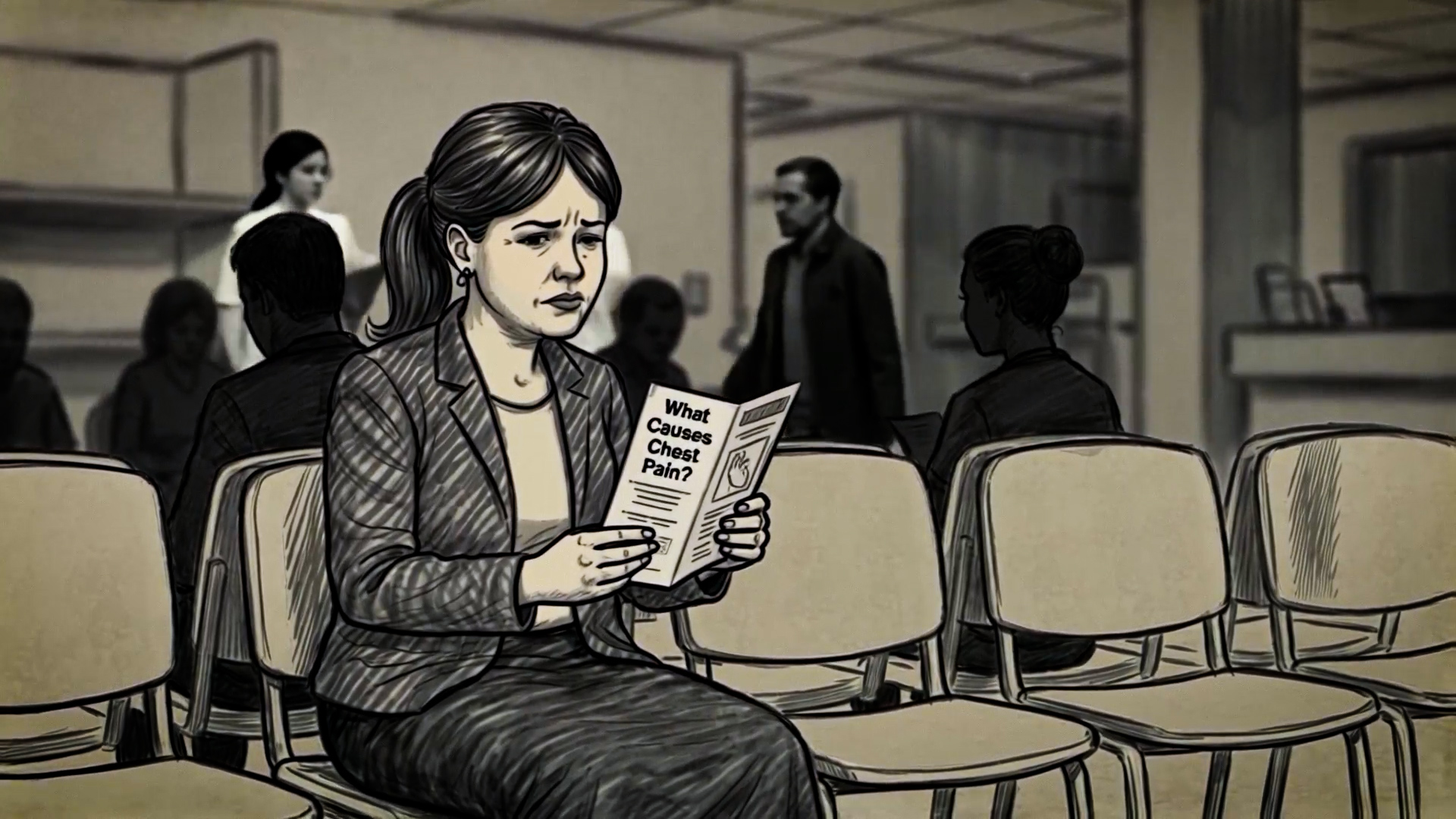
    Basic heart tests came back fine. They sent her home with brochures about stress and anxiety. Over the following months her symptoms escalated. She tracked her heart rate because of tachycardia and sharp chest pains. She describes her shortness of breath as “crazy”. Eight months later she could hardly breathe as she tried to go for a simple walk on the beach.

    Image

    “I got out of my car and went to walk on the beach. I got down to the sand and turned around and went straight back to my car. I felt drunk, I felt like I was going to fall over.”

    Nicole barely made it to the local clinic, she describes “pretty much falling through the door.” They called an ambulance. At North Shore Hospital they found multiple clots in both of her lungs. Pulmonary embolism. She was told she’d be on blood thinners for life.

    Image

    She later realised the terrifying initial leg pain and chest episode three weeks after the vaccine was probably the clots passing through her body — this was acknowledged by her doctor.

    But yet another health trauma emerged in her family and Nicole needed to sideline getting help for herself: Just five months after Nicole’s diagnosis, her daughter Poppy, developed lumps in her neck and was diagnosed with stage three Hodgkin’s lymphoma.

    Image

    They spent three weeks in the blood cancer ward.

    “Things went downhill real fast with Poppy. She reacted to the chemo. Then she had to get a blood transfusion, and she reacted to that too, and it started attacking her bone marrow. She was in excruciating pain. She lost a lot of weight … we nearly lost her.”

    A nurse they had become close with quietly told them that teenage blood cancers have spiked hugely. The nurse told her: “They are so overwhelmed since the rollout of the vaccine.”

    Poppy fought hard and is now in remission, travelling the world and “living her best life.” Nicole is emotional knowing her daughter is well.

    “It keeps me happy. It makes me really happy.”

    Nicole’s own health continued to decline. She was eventually diagnosed with Rheumatoid Arthritis and Systemic Lupus Erythematosus.

    Image

    “Lupus attacks everything. It’s your own immune system attacking you. It turns on you, it becomes overactive and it gets confused.”

    Before the vaccine Nicole describes herself as happy and “really healthy.” Afterwards it has been “one thing after another.” She says the healthcare journey is “traumatic”. Many doctors advised her not to mention the vaccine. One cardiologist stopped her mid-sentence when she answered honestly about when the tachycardia started:

    “You know what? I’m just going to stop you right there. You could possibly have these conversations (about vaccine injury) with a private cardiologist, but here in the public system, we cannot speak on that.”

    Nicole has been told by other doctors that’s it’s best she doesn’t bring it up because she’ll “be treated differently” and given a different level of care.

    Through it all, her children and supportive partner keep her going. She tried returning to work as a disability carer but had to cut her hours as her health deteriorated. She can no longer work and feels like a burden.

    Her once-close family are now divided.

    Image

    “There’s a huge division now between me and my family. I find I have to be careful what we say with each other. We were very political and we were on the same side … but I’m not on the same side of them anymore.”

    She was labelled selfish, told she had gone down a “rabbit hole,” and called a “conspiracy theorist” and a “bad mum” for trying to protect her children — even though her kids are fully vaccinated for other diseases. She says: “It was just this one.”

    Despite her efforts — and bullying she endured for trying to safeguard him — her 12-year-old son was vaccinated without her knowledge or consent, lured by a Pak’nSave voucher. She only discovered it months later when taking him to doctors to investigate his chest pain and get X-rays. Since then, his health has declined too, compounding the family’s pain.

    Nicole’s determination to protect her 12 year old son was because she had researched the emerging risks and was acutely aware of myocarditis concerns, especially for the young. This knowledge was also known by officials — including Director-General of Health Ashley Bloomfield, who was briefed on myocarditis risks in youth by the COVID-19 Vaccine Technical Advisory Group as early as July 2021, and at various times afterwards.

    Later advice in December 2021 specifically cautioned against two-dose mandates or vaccine pass requirements for 12–17-year-olds which were being imposed at the time under the Covid-19 Protection Framework Order. This was also known by the then COVID response Minister, Chris Hipkins and Prime Minister Jacinda Ardern.

    Mums like Nicole weren’t guessing — they were informed and protective. Their voices were dismissed and she was bullied — while the system that knew the risks proceeded anyway, even stoking the social coercion. Her wish is for accountability for those who overrode parents like her and who lied to society about the risks.

    This story is part of The Tribute NZ project — giving voice to New Zealanders whose Covid vaccine injuries are still minimised or ignored.

     Watch Nicole’s full episode now on YouTube or Spotify

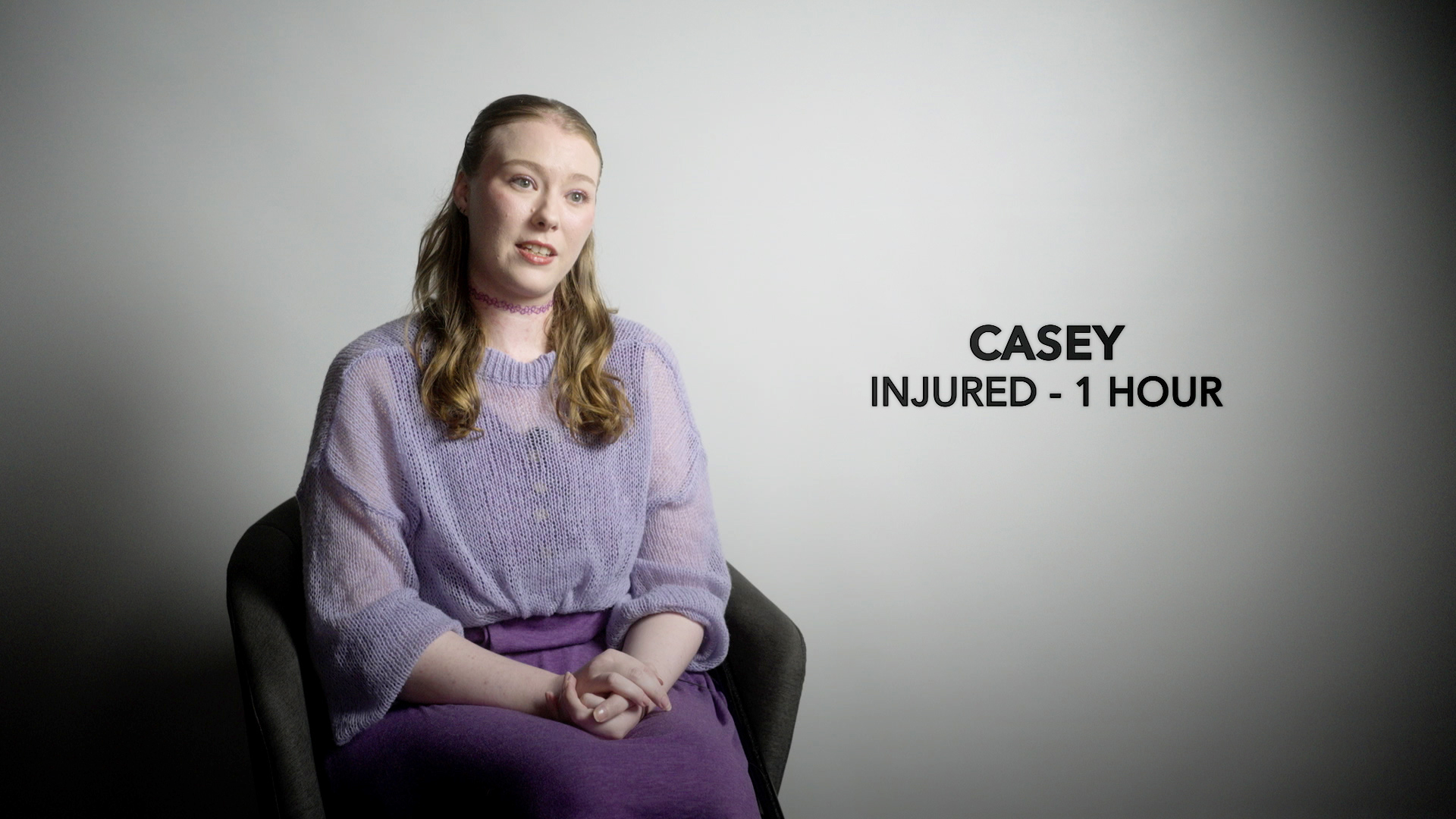
  • 8. Casey’s Story – Spike Protein-Induced Guillain-Barré and a 4-Year Fight for Justice

    8. Casey’s Story – Spike Protein-Induced Guillain-Barré and a 4-Year Fight for Justice

    What started as compliance to protect her dream warehouse job ended in neurological catastrophe, years of medical gaslighting, media smears and bureaucratic battles—culminating in ACC cover approval on August 11, 2025. 

    Casey, 23, suffering a painful seizure

    Before the injection, Casey embodied vitality and joy. 

    “My health was the best that’s ever been. I was working Monday to Friday doing the job of my dreams. I had it all. I loved singing, I was singing all the time, I was enjoying life. You’d find me humming at work. I just remember feeling very content” 

    The jab, administered intravenously instead of intramuscularly by an incompetent vaccinator, triggered rapid onset symptoms: 

    “It took one vaccine for this to happen to me. After an hour I started slowly having symptoms. I had a numb tongue. My body was feeling very off. I collapsed at work. remember crawling to the car.” 

    From the moment her symptoms erupted — numb tongue, spasms, unbearable “ten out of ten” pain and full-body convulsions — she encountered a system primed for skepticism rather than empathy. At emergency care and subsequent visits to North Shore and Auckland hospitals, staff immediately flagged the vaccine link but reacted with reluctance and outright hostility: 

    “They treated me like I was insane.”

    Casey describes how doctors and nurses refused to test or investigate despite visible spasms and vocal tics, as if acknowledging a possible vaccine connection was untenable. In one harrowing instance, during severe episodes where she couldn’t move, walk, or control her body, she was sent to a unit reserved for the dying: 

    “I remember hearing people dying around me. That was very hard.” 

    Isolated and in agony, she repeatedly pressed the call button for basic needs like using the toilet, only to be ignored until she had to crawl across the floor to avoid soiling herself— a stark symbol of dehumanization amid pandemic overload and fear. The dismissal escalated to invalidation when a psychologist, summoned because staff assumed her symptoms were psychosomatic, casually diagnosed her as having “TikTok hysteria.” Implying her suffering stemmed from social media trends rather than a real physiological event, reinforcing the narrative that her pain was fabricated or exaggerated. 

    “I was too busy working to be on TikTok like that. The only thing different is I took a new vaccine, and now I’m like this. What’s going on?”

    Even attempts at treatment backfired: hospitals administered schizophrenic medications and calming sprays that worsened her condition, multiple GPs dismissed her via phone consultations under Covid restrictions. Specialists and ACC reviewers—often deciding without ever meeting her—perpetuated denial, attributing everything to stress she hadn’t experienced pre-injury. It took a compassionate GP who finally reassured her  that “this is happening to you,” and advocated for proper help to break the cycle of gaslighting. 

    “This doctor particularly, he saved my life in a lot of ways. And I will always be grateful for him. I was shaking, I walked in and he looked at me and straightaway knew. Oh, bless him. He helped me a lot. He was able to get me the help I needed.”

    This pattern of disbelief, minimization, and outright rejection not only prolonged her suffering but deepened the trauma, turning a medical crisis into a battle against a system that seemed more invested in protecting the Covid vaccine from disrepute than protecting a harmed patient—leaving Casey to question her reality and sanity as she quickly lost trust in healthcare professionals.

    Media and online attacks compounded the isolation when a Givealittle fundraiser for Casey was labeled a “scam” by immunologist and Deputy Chair of the Malaghan Institute ’s trust board, Professor Graham Le Gros, in aNovember 2021 Stuff article “Covid19: Vaccine experts call for proof as Givealittle scam page stays live.”

    Vaccinologist and Co-Director of the Global Vaccine Data Network, Helen Petousis-Harris, also claimed the Givealittle page Casey’s friend had set up to help her get through her loss of job and severe health problems “should not be seen as evidence that the girl’s symptoms have been caused by a vaccine.” She argued the page should be taken down as Casey should be “applying for ACC.”

    Le Gros said her “symptoms and behaviour are not related to vaccines but to other behaviours and issues” that her claims do not “make medical sense.”

    Helen Petousis-Harris and Graham Le Gros accuse Casey’s Givealittle page of being a “scam”

    “They smeared my character, they smeared my name, they just saw a Givealittle page and just assumed. If you’re going to make comments — come and meet me, come see my life. Come for like a day. See what I deal with!” 

    Casey managed to speak to the reporter, Nathan Morton, who did not retract the story or apologise. But she found a way to forgive them: 

    “I did come to a point where I forgave them, their cluelessness, truly, they had no idea.” 

    After four gruelling years of advocacy, in August 2025, ACC finally approved her injuries: “Injection puncture wound incorrectly administered to the vascular system; Spike protein induced neuroinflammation; induced neurological autoimmunity manifesting as encephalitis with seizures; peripheral neuropathy and Guillain-Barré syndrome; Encephalitis and epilepsy.” ACC’s long-awaited decision brought immense relief.

    “That’s a weight. That’s a whole weight off my back that I’ve been holding for years. Four years, give or take, of fighting so hard just for help.”

    Casey went through four years of advocacy with ACC, before her treatment injury was accepted

    Daily life remains challenging.

    “I still can’t walk properly. Brain fog. I can’t swallow properly. Just simple things like showering or walking to get a letter from the letter box. It’s very interesting having to think about the little things. Make’s you appreciate it.”

    Casey’s amazing spirit endures, helped by her faith and determination. Drawing from Jesus’ teachings, she emphasizes “love and light” amid misunderstanding. 

    “Something that aligned me with Jesus was love and light – within love we can understand, and through light it shines the truth.”

    Her final message is one of perseverance: 

    “Keep fighting. Keep pushing for yourself. Even when you think you’re down, stand back up and fight. My will is stronger than whatever issues I have to face. I’m going to keep going. I’m going to keep fighting.”

    Casey’s testimony stands as another tribute in a growing chorus demanding accountability, informed consent, and compassion for vaccine-injured Kiwis—proving that behind official narratives real lives were damaged, but through sheer will, they have fought the system and won.

    The team at The Tribute wishes Casey strength, joy and continued progress in reclaiming her young life stolen from her.

     Watch Casey’s full episode now on YouTube or Spotify

    Casey struggles to leave the chair, after the interview helped by Lynda Wharton of The Health Forum NZ.
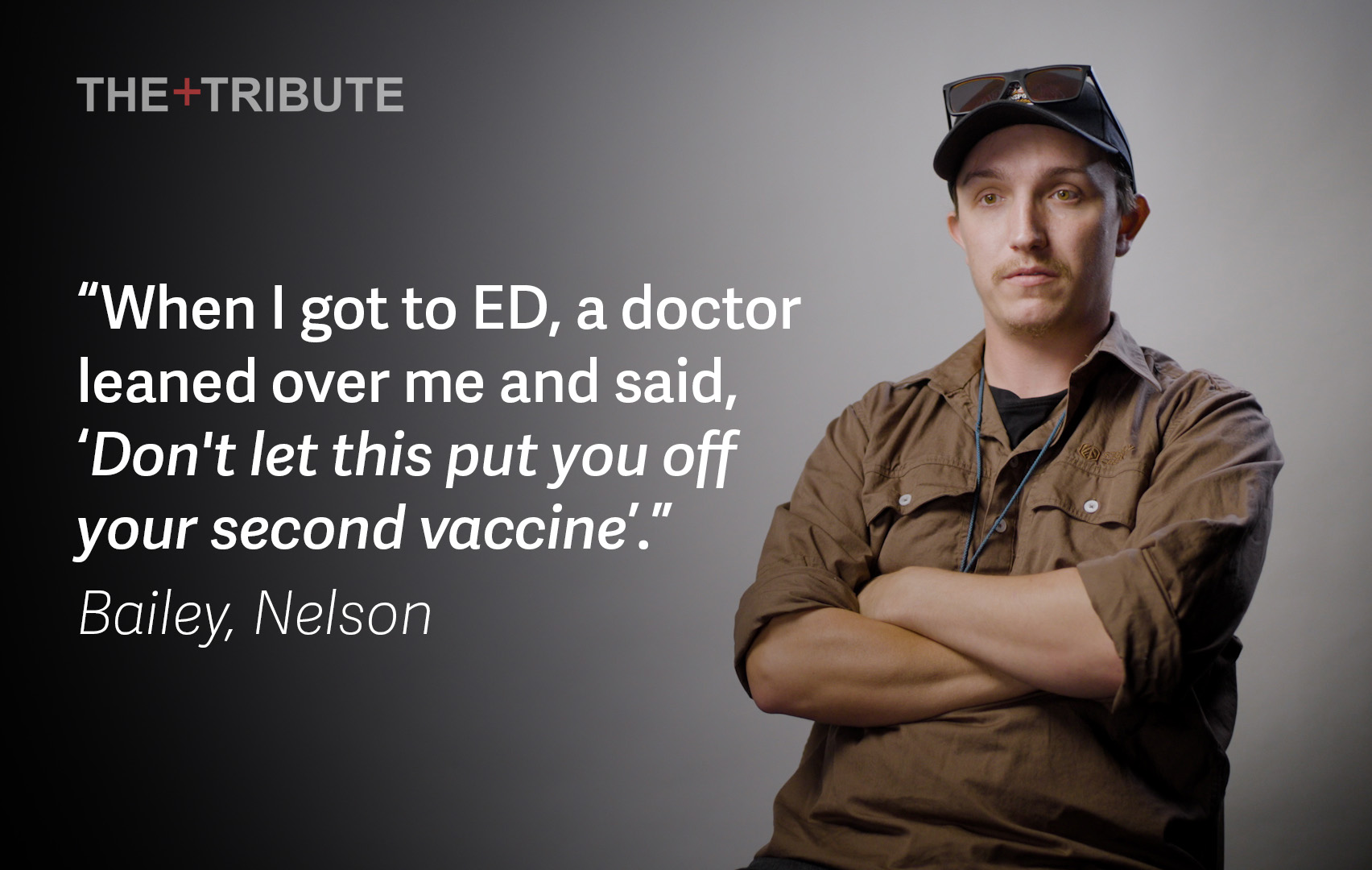
  • 7. Bailey’s Story – Truck Driver’s Pericarditis Event Hours After Jab & Vanishing Records?

    7. Bailey’s Story – Truck Driver’s Pericarditis Event Hours After Jab & Vanishing Records?

    Bailey (25 in 2021), pressured by mandates and a small loan, reluctantly got the vaccine to keep his dream job and new life in beautiful Central Otago.

    “I decided to go, I thought: “Oh yeah, what’s the worst that could happen?” So I went in to the local pharmacy and got my first shot.”

    He was given no warnings about myocarditis or pericarditis – known risks by then for young men, post-Rory Nairn’s tragic death. Rory Nairn had already tragically died from vaccine-induced myocarditis in November 2021.

    En route from Cromwell to Christchurch, the pain hit:

    “I could feel my heartbeat in my throat and out my chest. The pain is a pinching feeling, a shooting pain down your shoulder. Someone sort of grabbing something inside your chest and twisting it.”

    Just six hours after his injection, Bailey pulled over his truck, and was wheeled in on an ambulance gurney to Ashburton Hospital, struggling for breath. Before a single physical examination had taken place, the narrative was already being written. Standing over a man in visible agony, the doctor delivered a verdict that was as much a warning as a dismissal: “Don’t let this put you off the second shot.”

    His mother, Aly, remembers the terror:

    “We had a phone call to say he was in an ambulance. I had begged him not to get it. I tried to say, ‘Come home, let’s ride this out.’ But he was going to lose his job. He was going to lose his home. The pressure was so great.”

    Dismissed and diagnosed with “anxiety” despite clear ECG signs of pericarditis (later described by a cardiologist as impossible to miss), Bailey endured repeated hospital visits across Ashburton, Christchurch, Queenstown,and Nelson. Records vanished: ECGs not uploaded, blood tests “lost,” a cardiac referral “dropped off” the system—a direct violation of the Health (Retention of Health Information) Regulations 1996. Aly launched investigations into four DHBs:

    “One hospital loses records, that’s an accident. But it seems very odd that all of them have lost them.”

     In the presence of Bailey’s fiancée, a doctor issued a chilling verbal warning: “Bailey should never receive another vaccination unless he was positioned next to a crash cart (resuscitation trolley).” Aly wrote to the Christchurch ED doctor requesting that his verbal advice be formally documented in writing, the doctor denied ever having said it. This silence left Bailey in a clinical and legal vacuum; without a written specialist report, he had no evidence to present to the Director-General of Health (Ashley Bloomfield) for a medical exemption.

    Refusing to risk his life, Bailey decided not to take the 2nd shot and he was forced out of his job. Bailey and his partner uprooted back to Nelson, living in his truck during lockdowns, reliant on Nurofen for pain that woke him nightly. “I’ve woken up countless times thinking, am I just going to cark it?”

    As a heavy vehicle driver, he warns of public safety risks.

    “You’ve got truck drivers driving around with heart issues and they’ve just accepted it because no one believes them. They don’t want a bar of it, they just did it to keep their jobs. You know, they’re rough guys, they don’t care.”

    Christmas Eve 2022 brought a breakthrough – a sympathetic ED doctor finally consulted a cardiologist, leading to Bailey’s first formal diagnosis: “vaccine-induced pericarditis.” But relief was short-lived: ACC denied his claim for vaccine treatment injury compensation. Aly and Bailey fought back, and after endless loopholes and reviews, the ICRA finally quashed ACC’s decision in December 2024, approving Bailey for COVID-19 mRNA Vaccine-Induced Pericarditis.

    “It’s a very exhausting process to be dealing with while you’re essentially suffering. No one deserves it.”

    Aly’s OIAs reveal the scale: ACC payouts for vaccine injuries jumped from $145k annually pre-2021 to $11.4m by 2024 (now $18.98m per latest data), with only 1 in 4 claims approved. She also discovered under-40s ED visits for chest pain spiked in 2021 – also matched in Australia, where both countries rolled out vaccines pre-COVID waves.

    Yet the pain persists, Bailey  still suffers three attacks of chest pain every month and remains under the ongoing care of his doctor & cardiologist who has observed that pericarditis in her vaccine-injured patients deviates from pre-Covid norms, and is unresponsive to the typical three-month treatments. For Bailey, it’s an ongoing struggle with heart pain:

    “I probably would have pinned him [my 25-year-old self] against a wall and gone, ‘Don’t do it. You’re going to regret it.’”

    Bailey now begins the ACC Permanent Injury Compensation (PIC) process, 4 years and 2 months after his injury. He faces a system that calculates life in percentages. Aly vows:

    “I’m in this for the long haul. I’m in it for not only my son, but everybody else that was injured as well. It’s so incredibly unjust.”

    THE+TRIBUTE is a web series that gives voice to the Covid jab casualties – the silenced and abandoned.

     Watch Bailey’s full 27-minute episode on YouTube or Spotify

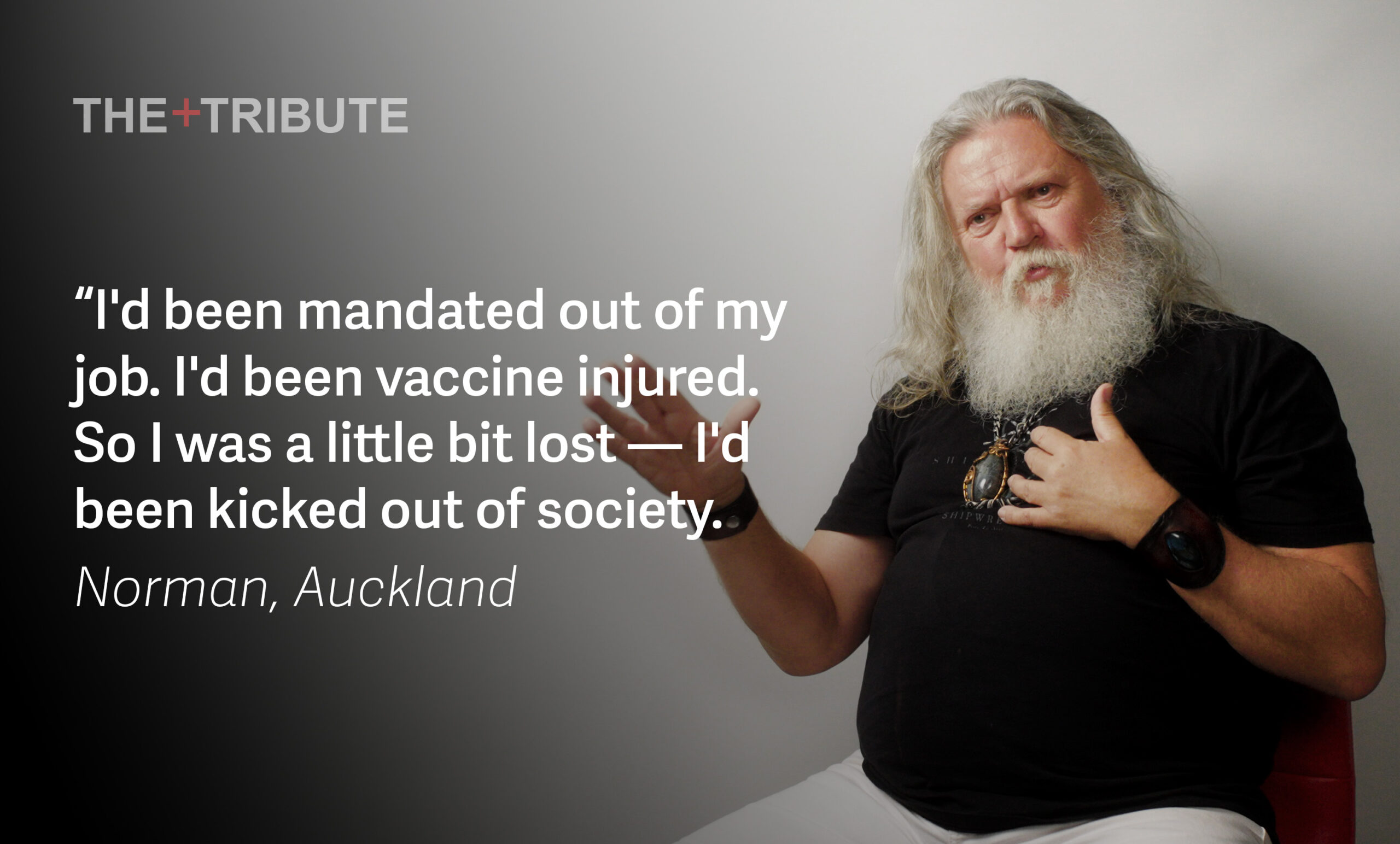
  • 6. Norman’s Story – Pericardial Cyst Injury After One Pfizer Jab

    6. Norman’s Story – Pericardial Cyst Injury After One Pfizer Jab

    With 35 years in healthcare, Norman refused the experimental COVID-19 vaccine rollout based on his virology knowledge and concerns over rushed trials. But New Zealand’s 2021 mandates forced his hand: lose his job in a mental health respite unit, face exclusion from gyms, libraries, and society – or get the shot.

    “I’m not anti-vax. I’ve been a nurse for years, and I’ve probably got more vaccinations than most people. But I didn’t want any of this experimental nonsense put into me.”

    A key theme in Norman’s story is the lack of informed consent amid coercive pressures. He confronted his general manager at work, pointing out the New Zealand’s patient’s Code of Rights, arguing that the mandates are a violation of these as well as fundamental human rights and bodily autonomy.

    “I remember reading out the ten points of the Patient’s Code of Rights, point by point. They’re your rights. It’s not a questionable contract between two people or two groups. It’s your fundamental human rights.”

    The Health and Disability Commission’s poster advertising ten patient’s “Rights”

    Despite his research on Pfizer’s own website highlighting contraindications like prior pericarditis or myocarditis, his attempts to raise these concerns were repeatedly dismissed.

    “I spoke to my GP who knew that I have had viral pericarditis. He should be getting me an exemption.”

    He was told that exemptions from Ashley Bloomfield or Chris Hipkins were unavailable. His GP encouraged him to proceed, promising to support him for any ‘aftermath.’

    At the vaccination center, he again alerted the vaccinator to the contraindication, emphasizing that she should advise against it, but also received poor advice.

    Norman felt his arm was “twisted behind his back.”

    “I’m being kicked out of my society. I’m not going to be allowed to work. I’m not going to be allowed to go to the gym. I’m not going to be allowed to go swimming, go to the library for books.”

    Reluctantly taking one Pfizer dose to audition for a Santa ad, he woke that night with excruciating chest pain – mirroring his experience with viral pericarditis in 2012. Daily recurring episodes followed for 18 months; as well as other symptoms such as breathlessness and an inability to exercise.

    Scans later revealed a large pericardial cyst (5x5x2.5 cm) had formed on his right atrium. Medical consultations have been frustrating, with specialists unwilling to link it directly to the vaccine despite the obvious timing and his history.

    Norman discusses the emotional toll, both positive and negative: job loss, family/friend estrangement followed by joining the Wellington protest convoy, where he found a new community and support among Māori friends.

    “I was embraced by my Māori brothers and sisters. They went “welcome to our world, hello!” Now I’ve been living with them off and on for the past few years, and I have nothing but love and joy and peace and happiness. I’ve got some beautiful friends.”

    He also discusses a profound shift toward living thoughtfully in the present — focusing on gratitude. He emphasises treading softly through life, and chooses to continue to hold a shield and axe for others as he bears witness to issues of human rights, oppression and government overreach.

    Norman’s health is slowly improving, and he is now able to attend the gym every day. Although his heart is not better as he awaits another MRI to look at his heart tissue.

    “It has been nearly a year since my last cardio appointment. Patience is a virtue, so I practice that every day.”

     Watch Norman’s full 20-minute episode now on YouTube or Spotify