Category: Covid-19 Vaccine Injured New Zealanders

  • 15. Rozanne’s Story – Consent Without Free Will Is Not Consent

    15. Rozanne’s Story – Consent Without Free Will Is Not Consent

    Watch THE+TRIBUTE’s YouTube Playlist

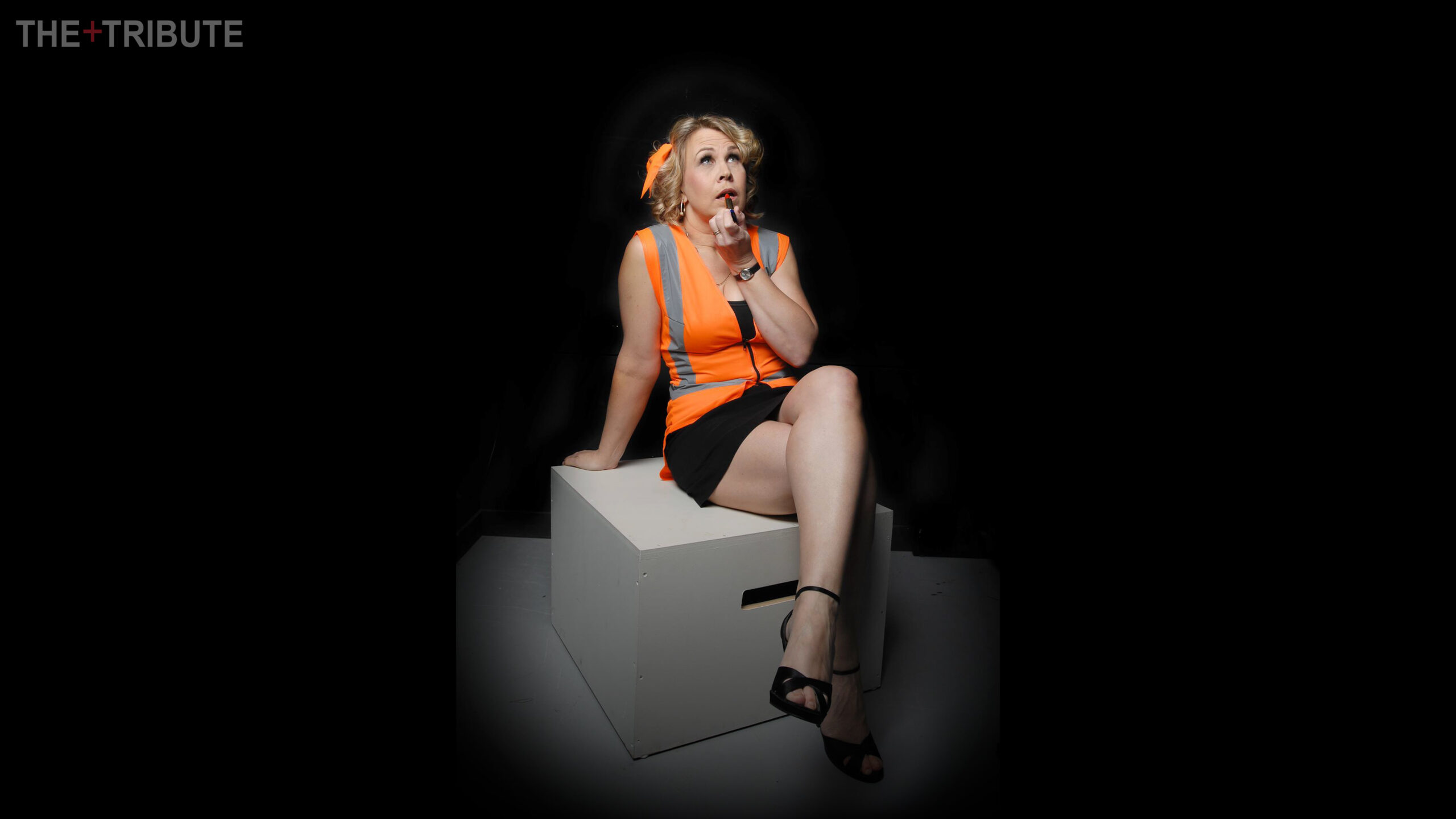
    Rozanne went to a Life Pharmacy to get a Covid vaccine when she felt her livelihood was being threatened. She and her husband run large-scale costume balls and other events, as well as organising overseas trips for clients. Rozanne was fifty years old, capable and not opposed to vaccines. But when the mandates arrived, the choice she thought she had disappeared. For her, consent is simple:

    Consent means that this is my own body. And I should have had the freedom to decide what went into it. I’m not a child. I don’t need my mother to tell me whether I do or don’t take this vaccine.

    On 27 August 2021, she stood in a line like “a sheep”, and was handed a piece of paper.

    They said to me: “Just sign here and now go through.” There was some very small words, very small font. It didn’t say that there’s danger – no warning signs. There was nothing saying that there was risk.

    Afterward, she immediately felt burning down her left leg, then numbness. That, she says, was the beginning of the end of the life she knew. 

    Rozanne in the midst of one of her numerous seizures.

    The next day she had strange headaches, hearing so sharp it hurt, blurry vision, nausea. Mid-week she nearly passed out at work – with a drilling pain behind her ear. Official advice said headaches and tiredness were expected after the vaccine, so at first she did not think much of it.

    She waited two more days, going in and out of consciousness, until friends told her it sounded like a serious vaccine reaction and to go to hospital. Until then she had not connected the dots. She still trusted the system. But like so many vaccine-injured, this is where the worst of her story begins.

    Rozanne believed the government and the health system would look after her if something went wrong with her vaccination. She was high trust, as most New Zealanders were in 2020/21.

    But right from the beginning, she was dismissed. In the emergency department, as she waited for hours holding her head in pain and for test results – a young doctor pulled her aside and told her she was simply suffering “anxiety” and “possibly menopause.” 

    I just went, “Mate, go back to your superiors and stop lying to me.” He walked off and came back with someone else who said, “Yeah, okay.” They accepted it was most likely a reaction to the vaccine.

    Rozanne was told to see her GP, and to apply for an exemption from the second dose. She expected her own doctor would help manage her care. While her GP agreed it sounded like a vaccine reaction — she then incredibly told her she had to get another shot:

    My doctor said to me, “Rozanne, you have to get another shot of the vaccine for the sake of my children – because I don’t want them catching Covid.”

    Rozanne was in disbelief, her own doctor was telling her to take another shot -despite presenting as vaccine-injured, ill, confused, broken and afraid that she would not live to see the next day.

    Not caring about my health at that moment in time. Selfishly worried about herself, about her own children. And rather than telling me to go home and giving me ways to heal, I was being told to poison myself further.

    Rozanne references a landmark document – The Nuremberg Code. A 10-point statement of principles from the 1947 Doctors’ Trial where American military tribunals prosecuted 23 leading Nazi German physicians and administrators for war crimes and crimes against humanity. This Code has had significant influence on modern global bioethics as well as the New Zealand Medical Association’s Code of Ethics for doctors.

    Principle 1 says the voluntary consent of a human subject is “absolutely essential,” it must be free of “any element of force, fraud, deceit, duress, over-reaching, constraint or coercion” and with enough information provided for an “enlightened decision.”

    It also specifies that any hazards reasonably to be expected, and the possible effects upon health, are to be told in advance. The Nuremberg Code noted that the duty sits on the person who initiates the procedure, and it cannot be delegated away.

    The Nuremberg Code – a 10-point statement of principles from the 1947 Nazi Doctors’ Trial

    When a person is coerced or threatened with losing their livelihood or freedoms unless they comply, true consent does not exist.

    The Nuremberg Code is not enacted within any New Zealand statute. But it became the ethical ancestor of our modern health consent rules, particularly the Code of Health and Disability Services Consumers’ Rights. 

    Rights 6 and 7 of this patients Code require health practitioners to supply the information a person needs, in order to make an informed choice so as to be able to give full consent – along with the right to refuse. 

    Rozanne claims she was never given warnings of the risks of the vaccine.

    Her claim is backed up by evidence from the Immunisation Advisory Centre’s (IMAC) training materials  provided to vaccinators. It recommends they explicitly “avoid certain narratives, words and phrases” especially around those “people who are hesitant about vaccinations” or who say they are worried “about the safety of vaccines.”

    It was advised that phrases such as “Describing risks if even to note they are small,” or “Leading with safety data and facts,” or “Outlining the safety and risk profile of the vaccination” were NOT to be used.

    The specific publication, How to talk about COVID-19 vaccinations: Building trust in vaccinations, was written and published in August 2021 by Dr Jess Berentson-Shaw, a public narrative researcher, and supported and funded by IMAC. It recommended the Covid vaccination be framed instead with “messages that build trust and motivate vaccination.”  

    While New Zealand’s vaccinators did not pin people down and inject them. The government, experts and bureaucrats built a system in which work, travel and belonging required two Covid-19 vaccines. An mRNA genetically modified vaccine that the public were repetitively told was “safe and effective” and, where they purposefully avoided information about the risks.

    The government’s COVID-19 Vaccine and Immunisation Programme, was directed by Jo Gibbs, who reported to Director-General of Health, Dr Ashley Bloomfield. Gibbs was responsible for producing the operating guidelines and “key messages” that were sent to DHBs, as well as providing the training pipeline of the people with the needles.

    Gibbs contracted the Immunisation Advisory Centre, directed by Dr Nikki Turner, to educate, train and provide clinical support to the health sector of the immunisation programme. As well as providing clinical support to vaccinators, IMAC delivered vaccination courses, created materials, and ran the “0800 IMMUNE” line.

    The IMAC business unit is part of the commercial arm of the University of Auckland. They received $17 million for this work.

    A notification about risk, provided to vaccinators to simplify their messaging in 2021, when Rozanne was being vaccinated, was a “COVID-19 Immunisation Clinical Toolkit” pamphlet. It suggested vaccinators provide advice on possible adverse events AFTER a persons vaccination: “Post COVID-19 vaccination advice.”

    From the Immunisation Advisory Centre’s [IMAC] publication “Clinical Toolkit”

    By this time, August 2021, Medsafe’s monitoring information and pharmacovigilance of the Pfizer vaccine had alerted health professionals to a number of safety concerns, including myocarditis and pericarditis. IMAC’s training materials seemingly did not ensure vaccinators were required to give full information to consumers about the safety and risk profile of the vaccine – to enable full informed consent for Rozanne or anyone else.

    IMAC commissioned an evaluation of their programme – you may think this would alert them to their unethical practices promoted in their materials? Unfortunately, the evaluation of the IMAC training was designed and delivered by the husband of IMAC director Dr Nikki Turner – Professor Antony Dowell. He and his employer, the University of Otago, were subcontracted without a competitive tender. The Auditor-General, in 2023, called that procurement completely inappropriate as the undeclared spousal relationship was “a potential conflict.”

    Despite this, Dowell’s conflicted evaluation continued. The final report was published earlier this year: Including a disclosure – where no admission was made to the relationship.

    IMAC director, Dr NikkiTurners’s husbands final evaluation of her programme, released in January 2026

    Professor Dowell reviewed 12 of his wife’s online courses and 28 webinars/toolkits, including versions of the ‘COVID toolkit’ that focused on training healthcare professionals in the public and private sectors to deliver COVID-19 vaccinations locally. As designer of the evaluation, Dowell, for some unknown reason put out of scope: “the development of vaccination education and advice for the members of the public.”

    He did not evaluate whether IMAC training materials provided informed consent and presented vaccine risks sufficiently, and he did not evaluate whether those materials included or tracked Medsafe alert communications. The word “Medsafe” does not appear in the paper. Neither do CARM, pharmacovigilance, data sheet, safety communication, myocarditis or risk–benefit. The term “adverse events” appears once – in a note about Saudi Arabia’s education programme.

    Informed consent is mentioned once: As being obtained when vaccinators were “engaging positively with the recipient” and when the recipient was “as relaxed and comfortable as possible.”

    One of the three primary questions Dowell did ask was: “Did training support a clinically competent and culturally safe workforce?” Nearly 2 pages of the 13-page report is given over to a dedicated narrative on equity and cultural safety, which was used as a success criteria, and massively prioritised over informed consent.

    Culture does not displace the primary ethical duty of clinicians to tell a person the risks of a medical intervention.

    Dowell’s evaluation was also co-current, it aimed to be a “critical friend” and even informed some of IMAC’s evolving processes. When he observed “vaccinations being delivered in the wrong anatomical site” and the “omission of specific questioning pre- and post-vaccination” — he suggested that the above mentioned “COVID-19 Toolkit” summary be provided “about the essentials for safe and effective” jabs – which included the “Post-Vaccination” advice on adverse events. This was considered success of his “embedded formative evaluation process”, he claimed it as a useful early course correction.

    This simply signifies that Dowell had a unique opportunity to course-correct the unethical non-disclosure of vaccine harms, but chose not to.

    The IMAC training materials and programmes were sent to the DHBs, where the chief executives of each DHB were responsible for delivery. Their site clinical and quality leads were the last official link before the vaccinator.

    At every level of this chain the instruction was the same: do not give people the full known risk BEFORE vaccination. Talking points, toolkits and “trust” scripts treated risk and potential injury disclosure as a problem to be managed, not a duty. That does not remove the duty. Under the ethic Nuremberg handed on — and under Rights 6 and 7 of the Patients Code — responsibility cannot be subcontracted. Those who wrote the messages, those who trained the vaccinators, and those who delivered the injection without the warnings share in the gross negligence to notify the public of the known risks of the mRNA product.

    * The names of people involved in the roll-out are noted below.

    After her injury, Rozanne has struggled to find care, support and treatment.

    Now I am damaged, I am dismissed, and I have been discarded by the government that mandated this. I took this vaccine to keep my job and freedom, and instead, it cost me my health. It cost me my career and my independence.

    She has fought for years to tell her story and has been ignored, ridiculed, insulted, berated, and isolated. She fought for an honest medical assessment and was belittled. She fought for compensation and financial assistance and was declined. She was also refused an exemption from the second dose.

    Every safety net that they say is out there is a facade. Every safe and effective was a lie. We have been abandoned by those in power and isolated from a health care system that was supposed to help us.

    Rozanne worked hard her whole life, paid her taxes and was a law-abiding citizen.

    When I needed my government the most, and the health system the most. They left me discarded. And I, we, deserve better than this.

    In 2026, Rozanne still experiences extreme chronic fatigue, muscular pain, crippling weariness, headaches and heavy brain fog leaving her discouraged. She is mostly now housebound.  

    Everyday feels like a marathon just existing.

    She still does not have a medical professional who believes her and who she can trust. Each time she has tried to reach for help from the healthcare system, it only leaves her frustrated.

    There is nowhere to turn to find pain relief, nowhere for support. Just trying to work it out on my own, is so very tiring.

    Watch Rozanne’s full episode now on YouTube


    SUPPORT THIS PROJECT: https://buymeacoffee.com/THETRIBUTE

    * Some of the people responsible for New Zealand’s Covid vaccine roll-out:

    Cabinet set the policy: Prime Minister Jacinda Ardern, COVID-19 Response Minister Chris Hipkins, and Health Minister Andrew Little. Day-to-day control of the health system sat with Director-General Dr Ashley Bloomfield. The person who actually ran the needle programme was Jo Gibbs, National Director of the COVID-19 Vaccine and Immunisation Programme (CVIP). Beside her: Medsafe Group Manager Chris James (approval and safety alerts), Ministry Chief Medical Officer Dr Andrew Connolly (clinical instruction, including the 15 December 2021 letter to DHB CEs), Chief Science Advisor Dr Ian Town, and IMAC Medical Director Professor Nikki Turner, whose UniServices unit held the Ministry contract to train vaccinators. Gibbs reported to Bloomfield. Bloomfield reported to ministers.

    The DHBs delivered:The 20 DHB chief executives in 2021 were — Northland: Dr Nick Chamberlain. Waitematā: Dr Dale Bramley. Auckland: Ailsa Claire. Counties Manukau: Fepuleaʻi Margie Apa (also lead CE for the northern/Auckland metro COVID vaccination response). Waikato: Kevin Snee. Lakes: Nick Saville-Wood. Bay of Plenty: Pete Chandler. Tairāwhiti: Jim Green. Taranaki: Rosemary Clements (also the national DHB CE spokesperson on staff mandates). Hawke’s Bay: Keriana Brooking. Whanganui: Russell Simpson. MidCentral: Kathryn Cook. Capital & Coast and Hutt Valley: Fionnagh Dougan (both boards). Wairarapa: Dale Oliff. Nelson Marlborough: Dr Peter Bramley until mid-February 2021, when he moved to Canterbury/West Coast; NMH then sat in transition. Canterbury and West Coast: Dr Peter Bramley from 15 February 2021. South Canterbury: Nigel Trainor. Southern: Chris Fleming.

    Named local vaccine-programme leads sat under those CEOs and ran the operational plan, workforce and sites. Publicly identifiable names include Hawke’s Bay programme lead Ngaira Harker; Auckland metro leadership through Margie Apa; and other regional programme figures cited in DHB plans and later reporting such as Hamish Brown, Bronwen Warren and Astrid Koorneef. Programme and site Clinical and Quality leads are the last official link before the vaccinator at the chair.

  • 14. Monique’s Story – Not Informed of Cardiac Risk

    14. Monique’s Story – Not Informed of Cardiac Risk

    WATCH & READ: In April 2021, Medsafe signalled an investigation into myocarditis after the Pfizer vaccine. On 9 June 2021 they published a Monitoring Communication about the potential risk of myo/pericarditis. Two days later, on 11 June 2021, health worker Monique, received her second Pfizer dose at work and was severely injured.

    “I was injured on the 11th of June 2021, two days after the Medsafe monitoring warning to physicians regarding the risk of myocarditis and pericarditis. This risk wasn’t conveyed to consumers.”

    Monique was a fit, active, 24-year-old, who played hockey competitively and socially for nearly 15 years. A health science postgraduate, specialising in geriatric health psychology — she was loving her first job with one of New Zealand’s major aged-care providers.

    Less than a year into the role, and carrying student debt from her studies, she faced an internal workplace mandate: be fully vaccinated by 30 June 2021 or risk losing shifts and her job. This was well before national mandates.

    “It was conveyed to us that we wouldn’t have our jobs or wouldn’t be given shifts if we were not vaccinated.”

    She received her second dose of the Pfizer mRNA vaccine on 11 June 2021, at 2:41 pm during her work shift under direction of her manager.

    Within three hours she felt the same symptoms as on her first dose, except heightened: dizzy with nausea, instantaneously fatigued with a foggy brain. Swelling spread from the injection site across her chest, armpit and shoulder. Her legs turned from red to purple with nerve pain. By day three she had chest pain, tachycardia and shortness of breath. She quickly made an appointment with a nearby GP, who dismissed her serious reaction as ‘a normal immune response for a healthy young fit person’ and told her to take a Panadol and rest — ignoring the requirement in Medsafe’s Monitoring Communication to report such symptoms.

    Days later Monique’s heart rate swung violently — dropping as low as 29 bpm then racing to 195. “The closest I have ever been to death,” she recalls, describing the out-of-body experience. An echocardiogram diagnosed pericarditis with pericardial effusion.

    On the day of this diagnosis the doctor told her: “Yeah, it was the vaccine. This is a known side effect.” 

    “I was actually shocked to hear that, given I was not informed of the cardiac risk—despite the government knowing.”

    She was discharged and advised that it would take at least two months for her to recover. Her symptoms did not resolve — constant nausea, low grade fever, evolving nerve pain and troubling heart symptoms. Her brain fog continued to get worse to the point where she would confuse words mid-sentence, and her short and long term memory became patchy. Monique was in and out of hospital.

    The internal timeline versus public messaging

    By the time Monique was vaccinated, Medsafe and their COVID-19 Vaccine Independent Safety Monitoring Board (ISMB) had been tracking the myocarditis signal for weeks, and had already issued a Monitoring Communication, to ‘encourage further reports and obtain more information on this potential safety concern.’

    More reports kept coming in. It took Medsafe another six weeks to confirm that myocarditis and pericarditis were indeed serious reactions to the vaccination. Pfizer Inc. also confirmed the risk with their product at this time.

    Medsafe published an Alert Communication on 21 July 2021, warning healthcare professionals to be ‘alert to the signs and symptoms of myocarditis and pericarditis.’ And also advised vaccinated individuals who experience ‘new onset of chest pain, shortness of breath, palpitations or arrhythmias’ to seek immediate medical attention.

    The patient-facing Consumer Medicine Information wasn’t updated until 28 July. 

    However, despite Medsafe’s Alert Communication (and best intentions) — very few vaccinators were actioning the advice – most failed to give clear, explicit warnings to vaccine recipients, meaning many New Zealanders were never informed of the risk.

    It would take another 5 months and a death from vaccine-induced myocarditis, before an explicit requirement was introduced to provide information to patients about the risk of myocarditis and pericarditis BEFORE vaccination.

    The Director-General of Heath, Ashley Bloomfield sent all health professionals a letter on 15 December, explicitly ordering that full information be provided both ‘verbally and in writing to every consumer.’ This was followed up by a Reminder Alert Communication by Medsafe.

    The shifting “reassurance” line

    On 29 April 2021, as the ISMB began discussing myocarditis and working out how to calculate background rates in order to detect a clear vaccine-related signal of myocarditis, they noted that infective (viral) myocarditis is certainly rare and not comparable with vaccine-induced acute myocarditis.

    Yet from that point onward, Medsafe’s public messaging repeatedly reassured New Zealanders that the risk of myocarditis from COVID-19 infection was higher than the risk from the vaccine itself. They were also encouraged by the Safety Board to use “reassuring” words.

    The 21 July Alert Communication confirmed the vaccine link but emphasised that cases were ‘typically mild’, that individuals ‘tend to recover within a short time following standard treatment and rest’, and that ‘myocarditis has also been seen in relation to COVID-19 infection’.

    Even he December 2021 reminder Alert Communication continued the same comparison, stating explicitly: ‘Myocarditis also occurs after COVID-19 infection at a higher rate than after vaccination with Comirnaty.’

    However, according to an Official Information Act response to NZDSOS, the official number of cases of infective myocarditis diagnosed after COVID-19 infection in New Zealand, from 1 January 2020 to 21 June 2024, is zero.

    This framing persisted even as the number of reported vaccine-associated cases rose sharply. The early internal acknowledgement that infective myocarditis is uncommon sits in clear tension with the public messaging that consistently positioned the vaccine risk as the smaller of the two.

    For Monique, the official language of mildness and comparison to infection offered no protection. Her symptoms were not mild. Her recovery was not swift.

    One senior cardiologist even told her she was “wasting resources” because others were worse off after COVID infection.

    “I physically could not walk without supporting myself, and that resulted in me being in a wheelchair for many months.”

    Even after the 21 July Alert instructed healthcare professionals to look for the signs and symptoms of myo/pericarditis, the doctors who assessed her continued to dismiss her worsening condition as a ‘normal immune response.’ She was denied timely recognition, left without appropriate specialist support in New Zealand, and still has no clear pathway for treatment of her chronic vaccine injury.

    Living with the consequences

    Five years later Monique lives with recurring chronic pericarditis (confirmed by an Australian cardiologist), postural orthostatic tachycardia syndrome or POTS (confirmed following testing as an outpatient at Christchurch Hospital), dysautonomia, full-body tremors, immune dysfunction, and days of complete debilitation. She no longer has full body tremors, but still experiences swelling down her injection side. 

    In 2025 she estimates she has had only about four weeks of anything resembling normal function.

    “I have days where I’m debilitated and I can’t do anything due to recurring chronic pericarditis, chronic chest pain, shortness of breath, and still have issues with my heart rate.”

    She has had to travel to Australia for supportive specialist care because she could not find it at home, but that comes with a cost. Private insurance covers her in New Zealand but not overseas. ACC eventually accepted her claim after she challenged the lack of support.

    Desperate for any path forward, Monique repeatedly emailed her ACC case managers asking for information on treatments that had helped other clients. 

    “As someone who wants their full function back, I would do anything and go anywhere to help myself.”

    The responses she received from both ACC and the Ministry of Health were the same: there was no information available. Pericarditis and myocarditis were described as ‘self-limiting conditions’, and ‘investigations were still ongoing.’ 

    There is no willingness to research and help vaccine injured patients. Almost all the specialists I have consulted in New Zealand say: “I don’t know anything about this.”

    A 2024 Health New Zealand | Te Whatu Ora study of 298 people diagnosed with myocarditis or pericarditis after Comirnaty (and 161 of their healthcare providers) confirms that Monique’s experience is far from unique. Fifty-nine percent of those surveyed were still experiencing chest pain at the time of the survey. Forty-four percent of healthcare providers considered their patients unrecovered. Many participants reported feeling unsupported and described a lack of clear pathways within government agencies that caused frustration.

    “I feel entirely let down by the medical system in New Zealand.”

    The study itself concluded that pathways for people affected by vaccine adverse reactions need improvement, including better coordination between Health New Zealand, ACC and the Ministry of Health.

    Monique is still fighting for recognition, still seeking answers, and still living with the consequences of a risk that was known, monitored, discussed behind closed doors, and then barely communicated to the public. Yet she is determined to thrive again one day.

    I was told by a specialist to adjust my life to my symptoms—I was not satisfied with that approach, and committed myself to relentless rehabilitation.

    Monique has found significant improvement in targeting each symptom individually and in careful order: Neural retraining for her nerve pain, brain fog and generalised fatigue; vestibular and respiratory physiotherapy; and two gruelling years of daily heart rate conditioning under supervision of a doctor, physiotherapist and personal trainer. 

    She is adamant that the choice to either accept the risk of heart damage versus dealing with the effects of a Covid-19 illness, should have been hers to make.

    Watch Moniques full episode now on YouTube or Spotify

    SUPPORT THIS PROJECT: https://buymeacoffee.com/THETRIBUTE

  • 13. Rachael & Ange’s Story – Life After a “No Jab, No Job” Injury

    13. Rachael & Ange’s Story – Life After a “No Jab, No Job” Injury

    Rachael and Ange were a busy, happy Kiwi couple. Outgoing and social, they loved spending time with family and grandchildren, and had full and active social lives. Rachael thrived in her frontline government role — a people person who believed deeply in the work she did helping others.

    Ange says:

    “She’s always fought for justice. Fought for the little guy. That’s her strength – If no one else is going to do something, you know, she’ll do it.”

    Then the mandates hit.

    In 2021 the New Zealand Government introduced strict “no jab, no job” mandates under the COVID-19 Public Health Response (Vaccinations) Order. These applied to hundreds of thousands of workers in frontline government roles, health, education, police, Defence, corrections and other public-facing positions. Employers were required to ensure staff were fully vaccinated or face redeployment, suspension or dismissal.

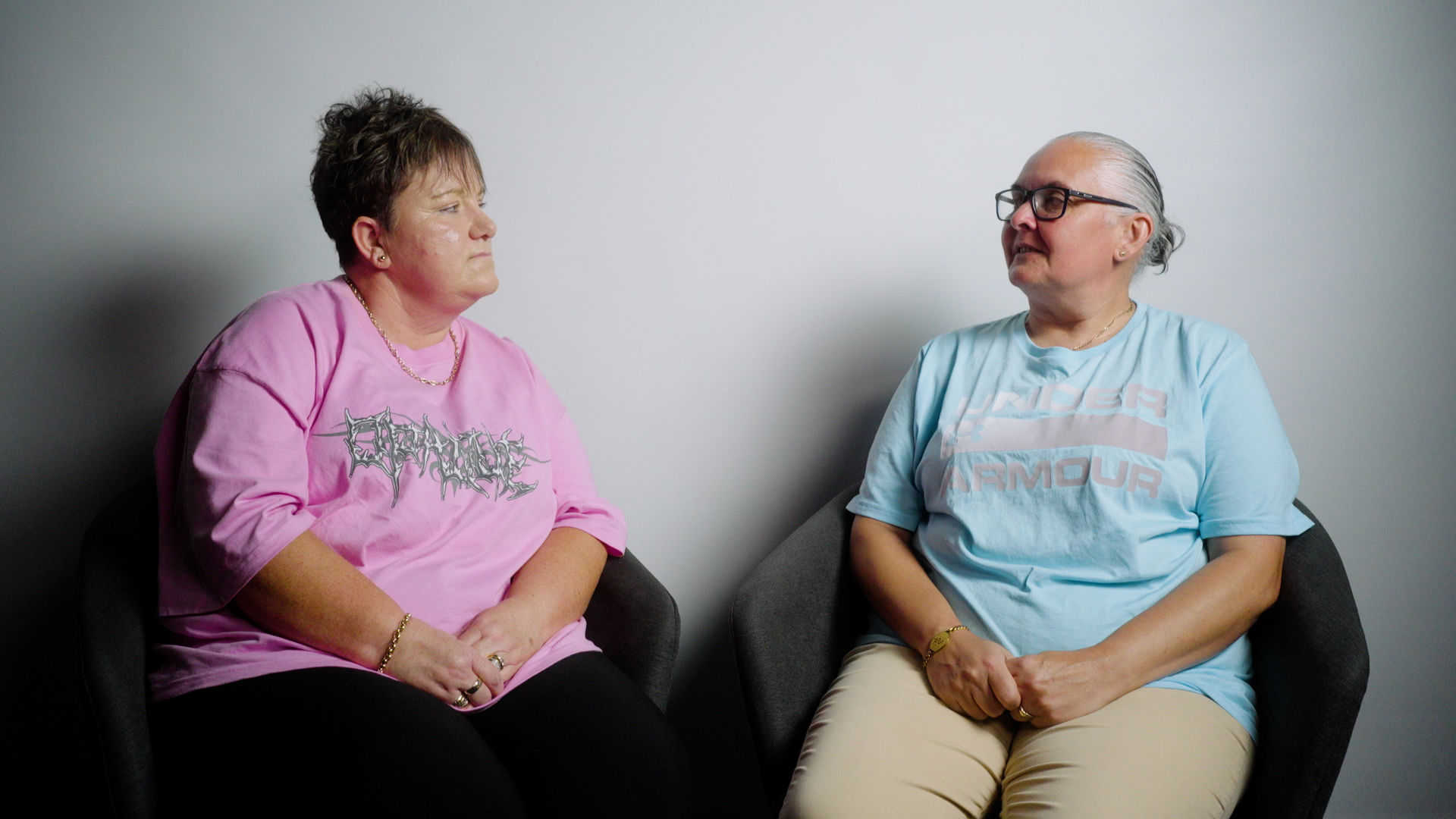
    Rachael and Ange in happier times

    The pressure was intense and unrelenting. Like so many New Zealanders, Rachael and Ange felt they had no genuine choice — comply or lose their livelihoods and home. Their employer pushed hard, leaving them backed into a corner with no other options. Their preference was to take care of their own health – Rachael hardly ever visited a doctor.

    Rachael received her first two Pfizer doses in August and September 2021 with no apparent issues. The third — the booster — was the dose that changed their lives forever.

    “The 3rd of March 2022 will always be, a regretful day for me. I got the booster in my right arm, in the morning, and by the evening, my symptoms had started. That was the one that’s caused all the damage.”

    Within hours, symptoms began that would ravage Rachael’s body. Crushing chest pain that felt like someone was sitting on her chest. A debilitating headache for the first two years, as if her skull had been smashed. Neck pain so severe it felt like she’d been in a car accident. Full-body tremors, constant electric shocks, brain fog so thick she couldn’t recall conversations. She was bedridden for months. The symptoms were 24/7, shifting unpredictably from one part of her body to another.

    Ange watched helplessly as her once-vibrant partner suffered:

    “I honestly believed in those first few months that Rachael was going to pass away. That’s how serious it felt. To watch her go through so much pain. It wasn’t human. It was a horrible, horrible experience.”

    Hospital visits and ambulance rides became traumatic. As soon as “vaccine injury” was mentioned, walls went up. Ambulance drivers were rude, doctors shut down conversations – she was sent them home on heavy pain relief with little investigation or support.

    Rachael’s own GP was also unsupportive. The couple felt abandoned by the system that had coerced them.

    Ange needed to step fully into the carer role, taking six months off work because there was no one else to help. The equal partnership they had shared — tasks, conversations about the future, doing everything together — transformed into a daily battle with anxiety, depression and exhaustion.

    “It scared the hell out of me,” Ange admits. Her confidence took a hit as she questioned whether she was doing enough, asking the right questions, being strong enough for them both.

    They continued to push for help.

    Years later, Rachael is finally admitted to hospital for a thorough examination. She needed to “get a little bit stroppy” to force their hand to investigate after a particularly painful few months.

    Several MRI’s, ECG’s and a CT scan later confirmed that Rachael had acute pericarditis, acute myocarditis and was experiencing pulmonary embolisms (multiple blood clots in the lungs), as well as fluid around the heart.

    Since then, many more diseases have emerged. Rachael’s formal diagnoses now include:

    • Acute Pericarditis
    • Cervicalgia
    • Costochondritis
    • Chronic Fatigue
    • Fibromyalgia
    • Chronic Pain Syndrome
    • Acute Myocarditis
    • Preserved Biventricular Function
    • Long Covid
    • Dysautonomia
    • Rare Autoimmune Liver Disease
    • Pulmonary Embolism
    • Coronary Arterial Spasm
    • Small Vessel Syndrome

    Her spike protein antibody levels remain extremely elevated at 2500 — unchanged since the day she was jabbed. The trauma she experienced at the hands of medical staff and the effects of her multiple injuries has also brought on severe PTSD.

    Many of these conditions are covered by ACC as a medical treatment injury, some are still to be added to her claim. She is now on lifelong medications.

    Rachael can no longer work in her much loved former role, or even manage simple computer tasks without exhaustion. No two days are the same. The woman who once fought for justice for others is now fighting every day for her own health and dignity.

    Ange speaks with emotion about Rachael’s fortitude: “She puts one foot in front of the other and keeps moving forward.”

    After nearly 18 years together, they continue rebuilding and choose to live life as postively as they can, side by side. Their message is clear and heartfelt to others who are injured:

    It’s imperative that you find the right specialists and GP’s who are going to listen to you. So you’re not going to feel like you’ve sold your soul a thousand times over. And in the medical field, as we know, it’s extremely hard to find these people, who are going to say, “yes, I’ll help you, you’ve been injured.”

    Ange has a message for other carers:

    “It continues to be tough. But don’t give up. Don’t give up on the person that you’re caring for or supporting, because they need that support. And just draw off each other’s strengths.”

    They feel betrayed when they were told that the Pfizer vaccine was “safe and effective,” because for Rachael, it was not safe. For her and thousands of other Kiwis and their families, their Covid-19 mandated vaccine doses have engineered a life-altering sentence.

    While the work vaccination mandates were phased out throughout 2022, the impact on many working New Zealanders remains.

    Rachael and Ange’s story shines a light on the often-invisible carers who carry an enormous load, and serves as a powerful reminder that behind every vaccine injury statistic are family and friends who are also broken.

    Ange says:

    “It’s been a heck of a journey the last 4 to 5 years, most definitely. It’s what we do for those that we love.”

    At www.thetribute.nz, we platform voices like Rachael and Ange’s so they are heard. Watch Rachael and Ange’s full episode now on YouTube or Spotify

    SUPPORT THIS PROJECT: https://buymeacoffee.com/THETRIBUTE

  • 12. Patrick’s Story – NZ Army Band Drum Major to Vaccine Injured Stroke Survivor –

    12. Patrick’s Story – NZ Army Band Drum Major to Vaccine Injured Stroke Survivor –

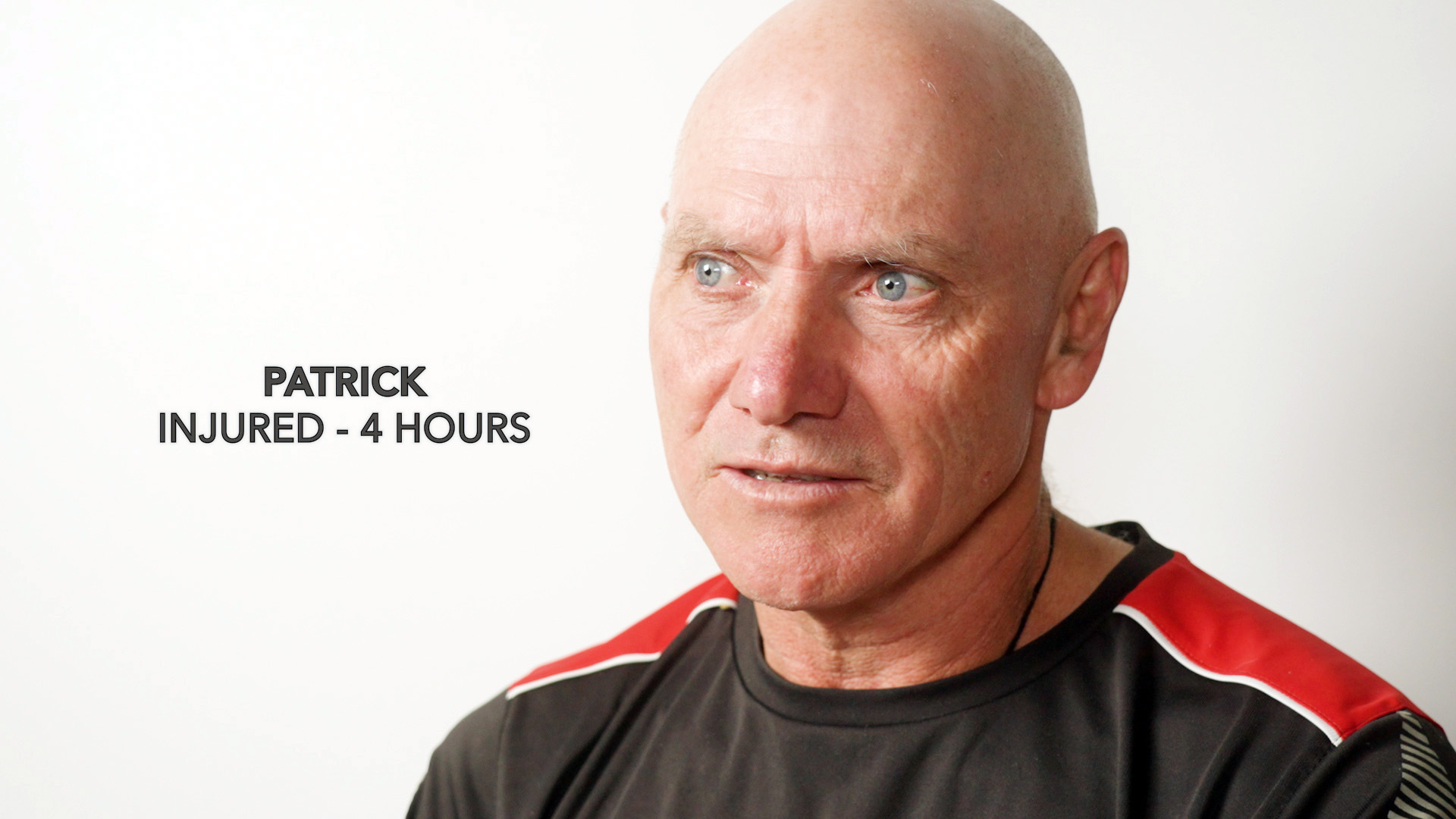
    I guess the reason why I joined the military was my father, who was in the artillery for 20 odd years. The first time I ever saw a brass band I was about three years old, we went to a Christmas parade and I could hear the noise coming up the road, and my mother bent down and pointed at my father. I just ran out there onto the street, grabbed the side of his pants. He just picked me up, had me on his shoulder, and carried on playing. And I was like, yeah, that’s what I want to do.

    That early memory never left him. In 1989, Patrick joined the New Zealand Army Band. What followed were, in his words, “the most incredible years that I’ve had the honour to live.” As Drum Major, he became the public face of the Army — leading marches, performing at major events, and upholding the reputation of what he describes as the best military marching band in the world.

    In the Covid years of 2020–2021, Patrick served as Security Liaison Officer at the government’s MIQ hotels during New Zealand’s managed isolation period. There, he reviewed records of hundreds of positive COVID cases.

    I got curious, why has not one of those people died? I think seven might have been transported to hospital, but I don’t think any one of them actually stayed there. I was like – wow, what’s the big deal?

    When the vaccines were offered within the NZDF, Patrick initially held off. He recalled the Chief of Army’s early stance against coercion.

    The Chief of Army said to us that we are not to coerce, force, threaten or bully anybody into the vaccine. But, two months after that, the Chief of the Defence Force turned around and mandated the jab.

    Pressure mounted. As Drum Major and a leader, Patrick faced emotional appeals from his commander. The band also had prestigious international invitations: the Queen’s Platinum Jubilee, Changing of the Guard at Buckingham Palace, the Edinburgh Tattoo and Basel in Switzerland. These were dreams for a passionate musician and soldier.

    He also had a wife with a newborn and could not afford to lose everything. So, in May 2021, he rolled up his sleeve.

    That afternoon, everything just became heavy. It was like life became overcast.

    Symptoms hit hard and fast. Within days, Patrick experienced crushing fatigue, electric shocks, ice-like pain in his legs, and constant discomfort.

    Three weeks into it, my legs below my knees just turned to ice. I was in the fetal position just rubbing my legs. It also felt like there was an ice cube on my lung, and all of a sudden I was fatigued.”

    A previously ultra-fit man who had run a half marathon every day — could no longer run. Random pains migrated around his body.

    It definitely feels like there’s a battle going on inside the body.

    Medical support within the Army was limited. Clinical centres were closed because of the risk of a Covid outbreak, and admin staff directed him to “go to town” and get PCR tests. It took 2 months, until July, for a proper assessment. He was diagnised with severe pneumonia.

    He was not convinced by that diagnosis, and rested as much as he could, pushing through with a “positive mindset.” He also realised he would not be taking another vaccine, and initiated the long process of retiring from the NZDF. Policy dictates that personel should be healthy before they can be discharged, and so in an effort to get his fitness backup to speed, Patrick went on a training run near Burnham Camp. He collapsed.

    I got three k’s into the loop and yeah, something big happened. I hit a wall and I was limping. By the time I got home, I was quite severely limping and my breathing was laboured. I thought, wow, am I having a stroke?

    He went to the Army clinic again, and after being accused of being an “anti-vaxxer” he was given steroids and told to come back in three days. But by the next morning, Patrick was severely ill, and an ambulance was called.

    That was one of the toughest things. My wife found out, and she showed up with our baby and for them to watch me being loaded into an ambulance and carried away… Yeah, that was tough.

    At the hospital, specialists delivered a grim prognosis: he had suffered not one, but two strokes. One specialist told him he would never regain his previous fitness or breathing capacity. He would live with constant pain — yet they never wrote this prognosis down on the forms sent to ACC, denying Patrick ongoing compensation.

    Patrick’s usual Army doctor later researched and acknowledged that his pattern of vaccine injury matched thousands of cases reported overseas.

    He told me that he had seen four soldiers with pericarditis. And this is just in Burnham, one small camp. Well, he lost his job.

    A neurologist has linked his ongoing issues to the Pfizer vaccine. Patrick also speaks of recurring dreams where he stops breathing and wakes up in “death throes”— a terrifying echo of reports of sudden death.

    He is outspoken and critical of the NZDF’s response.

    That story begins when three unvaccinated employees from the New Zealand Police and NZDF facing termination file an urgent judicial review in the High Court on 6 January 2022 challenging the Government’s vaccination mandate for all uniformed personnel. They were supported by affidavits from 37 other affected police and defence force workers. The hearing occurred in mid-February 2022.*

    On 25 February 2022, in Yardley v Minister for Workplace Relations and Safety, Justice Cooke set aside the Covid-19 Vaccination Order for Police and NZDF. He concluded that the Order “does not involve a reasonable limit on the applicants’ rights that can be demonstrably justified in a free and democratic society and that it is unlawful.”*

    In essence, the Order mandating vaccinations for Police and NZDF staff was imposed to ensure the continuity of the public services and to promote public confidence in those services, rather than to stop the spread of Covid-19. Indeed, health advice provided to the Government was that further mandates were not required to restrict the spread of Covid-19.’ JUDGE COOKE

    But, unfortunately the Chief of Defence Force continued to fight to keep the NZDF Covid-19 vaccination Order — returning to the Supreme Court. They were successful. The NZDF personnel who had fought for years, finally admit defeat.*

    The biggest thing I want to say about NZDF—they’re our health providers and they’re running for the hills. They’ve gone to the Supreme Court to protect themselves from soldiers. My grandfather fought on the Western Front, and I’m a third-generation serving soldier. If he showed the same amount of cowardice as they’re showing today, he would’ve been put in front of a firing squad. They’ve deserted their own soldiers.

    Yet through it all, his faith has been strengthened.

    I’ve got a four-year-old son. I’m not going to lie down and keep my mouth shut. This has made [my faith] stronger. Christ has planted the seed in every soul. The second coming isn’t just one person. It’s many people waking up the consciousness within. It’s time to wake up.

    At www.thetribute.nz, we platform voices like Patrick’s so they are heard.

    Watch Patrick’s full episode now on YouTube or Spotify

    *Excerpts from the book Heart of the Protest

  • 11. Kerry’s Story – Neurological Injury and Heart Crisis Following Novavax Jab

    11. Kerry’s Story – Neurological Injury and Heart Crisis Following Novavax Jab

    Kerry was an active, health-conscious woman deeply engaged in her community and working in mental health. She prioritised conscious self-care and maintained excellent health through deliberate lifestyle choices. Like many New Zealanders during the COVID-19 era, she faced vaccine mandates that affected her part-time role with the DHB (District Health Board). The decision to vaccinate did not come easily. She stalled for a long time, questioning the process excessively, seeking answers from medical professionals.

    There was just something in me that didn’t sit right. And so my work organized for me to sit in person with the chief vaccinator at my hospital. So I met him a couple of times, and he couldn’t get me across the line with Pfizer. I still couldn’t go there. Even though I was told that they would look after me if anything untoward happened.

    When Novavax was mentioned as an alternative, she made inquiries, but timing and family needs ultimately drove her choice.

    Her daughter in Australia had major surgery scheduled and needed family support, especially with a young child (just over one year old) at home. Kerry got vaccinated—two doses of Novavax, three weeks apart—to return to work and help her family.

    Ironically, her daughter’s surgery was postponed due to COVID interruptions, and her daughter returned to New Zealand with her little boy and dog. By then, Kerry had already received her second dose and was suffering adverse effects.

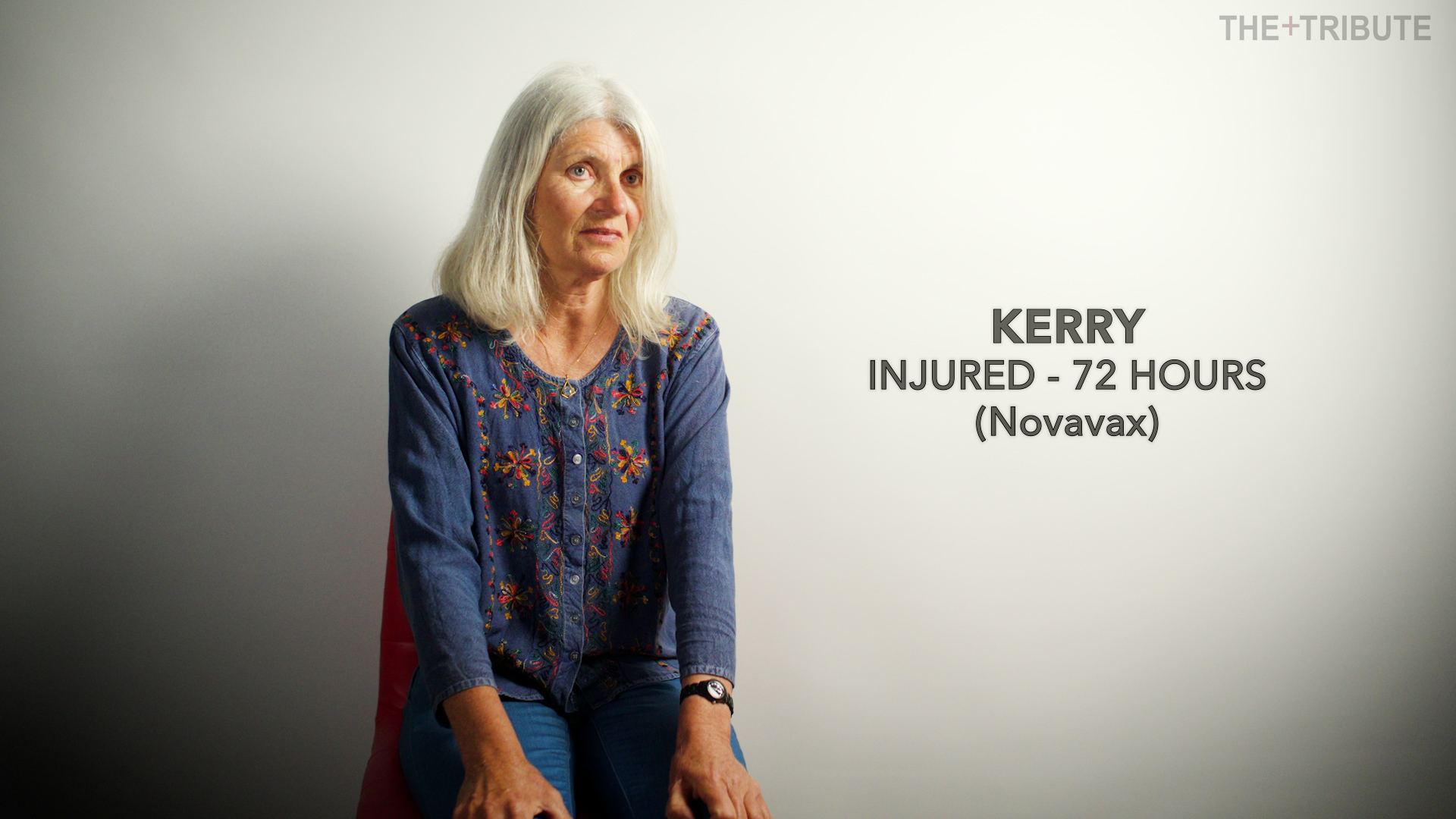
    Within 72 hours of the second dose, Kerry’s health turned upside down. Neurological issues hit hardest: severe brain fog, inability to speak properly (words wouldn’t come or only a few emerged), and intense pressure in her head, especially on the right side. She experienced visual problems, chest pain and heaviness, major hair loss (over half her hair on the right side), breathlessness, and profound fatigue.

    She tried to hide her symptoms from her daughter, who was battling severe, clinically diagnosed PTSD. Kerry’s daughter only lasted five weeks in New Zealand before returning to Australia, unaware of the full extent of her mother’s decline.

    She didn’t know. She just thought, you know, “What is wrong with mum?” It got so severe, this not being able to talk or think properly — actually to try and talk caused pain and pressure in my head.

    Her GP at the time (who has since left the practice) described her presentation as “like a stroke victim.” The doctor referred her to general medicine, submitted a severe vaccine injury claim to ACC without Kerry even asking, and noted multiple issues including the brain injury, chest discomfort and hair loss.

    While waiting for specialist care, Kerry had repeated ambulance trips and felt completely debilitated—she describes being “like a vegetable.” She could barely move from the couch to the toilet, kitchen or bed. Many nights she went to sleep unsure if she would wake up. At one point, isolated in her semi-rural home, the dysfunction became so severe that she seriously considered taking her own life. The uncertainty and dismissal amplified the trauma.

    Waiting under general medicine for about four and a half months, Kerry faced four changes of doctors in what she described as a “bloody circus.” Referrals to Auckland specialists were declined.

    What does it take?! You know it was obvious that I’m not okay? I got so frustrated.

    Many medical professionals stonewalled her when she mentioned the vaccine timing—symptoms started immediately after the second dose — Kerry has no shadow of doubt that her symptoms are vaccine related. They repeatedly attributed everything to stress, leaving her feeling more alone and questioning her sanity.

    One doctor finally said, “I believe you,” acknowledging they were seeing many “weird and wonderful things” and entering “a whole new ball game.”

    Home help was organised because Kerry could do almost nothing for herself. Her pre-vaccine achievements—a public DHB publication on conscious self-care, a project she was passionate about—sat untouched in a box. Mandates had already sidelined her work; injury made it impossible to continue with her project.

    Chest issues worsened which Kerry complained consistently about for over a year. Until, eventually, she suffered a major heart event and spent five days in acute coronary care. Still, some cardiologists dismissed links to the vaccine. One overrode her attempts to discuss it; another privately admitted seeing “a lot of people post-vaccine” with cardiac issues.

    In a striking moment, a cardiologist admitted they were “seeing a lot of people post vaccine and Covid right now” and revealed she herself had not had a booster in over two years!! Kerry found this deeply troubling — as the hospital were still running a COVID vaccination clinic in the reception area.

    It’s beyond me that these toxic, destructive vaccines continue. I just can’t even comprehend why, when there’s such extreme harm, that they are allowing it to continue? What it’s done to people’s lives?!

    Kerry continues to battle heart symptoms and restricted living, and needs significant rest.

    She has since gone private for care, spending thousands, including on $3,000 a pop advanced MRI’s, and is depleting her retirement savings. A brain CT scan report indicates a chronic lacunar infarction (a type of stroke). Her cardiologist links ongoing symptoms—fluid around the heart, stiffness, and pain in the left back and upper arm—to the vaccine, noting he sees “a lot of it.” She awaits full reports and a neurology referral.

    She is now represented by a lawyer and has been granted legal aid, in her appeal against ACC’s denial of her claim. Early on she told ACC: “I will fight this to my last breath.” She stands by that, determined not to let them “get away with it.” She hates how injured people have been treated while still suffering.

    Kerry wants an open court hearing to read a victim impact statement. She seeks full government acknowledgment; truth about what happened; and answers on why medical professionals often remained silent or dismissive despite seeing patterns of harm.

    She knows she is one of thousands and believes more voices speaking out will help.

    I want to know the truth about why these medical people have been so blatantly not engaging and speaking up about it. I want to know that. I’ve seen enough. It’s been a real eye opener. It’ll live with me forever.

    While she has come a long way, some effects may be lifelong. She feels lucky to have survived this far but remains deeply impacted.

    Kerry’s story highlights the human cost behind vaccine mandates and the challenges of seeking recognition for injuries in New Zealand’s system. ACC has received thousands of COVID vaccine-related claims, with a portion accepted, yet many face denial and lengthy battles.

    Her experience echoes broader questions raised in public discourse, which failed to be addressed in the recent Royal Commission process.

    At www.thetribute.nz, we platform these voices so experiences like Kerry’s are heard. If you or someone you know has been affected, sharing their stories matters—for acknowledgment, for better systems, and for truth.

    Watch Kerry’s full episode now on YouTube or Spotify